Solvents

Choosing the Best Solvent for Your Equipment (Spray Foam, Coatings & Painting)

If you’ve ever lost a day to a clogged gun, a streaky spray pattern, or a seized pump, you already know: solvent choice can make or break uptime. The right chemistry keeps resinous soils moving, prevents cross‑contamination during changeovers, protects seals, and helps you meet safety and environmental requirements — all while saving maintenance time. This guide covers spray foam, coatings, and painting applications, with practical picks and procedures using the same products we stock: Chem‑Trend® Flush 4, Chem‑Trend® FC‑10008, DOP, Butyl Cellosolve, and Mineral Spirits.

On this page:

  1. Choosing the Best Solvent for Your Equipment (Spray Foam, Coatings & Painting)
  2. Why solvent selection matters
  3. Spray foam applications: prevent blockages and extend component life
  4. Coatings applications: clean changeovers without cross‑contamination
  5. Painting applications: the right cleaning solvent for sprayers and tools
  6. Quick picks: which of “our” solvents to use where?
  7. Safety, VOCs & disposal: do it right (and stay compliant)
  8. Step‑by‑step: example flush for spray foam equipment
  9. Pro maintenance tips that cut downtime
  10. Frequently Asked Questions about Solvents

Why solvent selection matters (beyond “what will cut it?”)

Effective industrial cleaning is a balance of soil type, substrate compatibility, method, safety, VOC compliance, and cost — not just solvency power. Consider the contaminant (cured polyurethane vs. oil/grease vs. coatings), how you’ll apply the solvent (flush, immersion, wipe), elastomer compatibility, flash point and ventilation needs, and regional regulations for VOCs and waste handling.

Spray foam applications: prevent blockages and extend component life

Typical soils: cured polyurethane foam, polyol residue, and isocyanate residue. These demand specialized cleaners and disciplined flush routines.

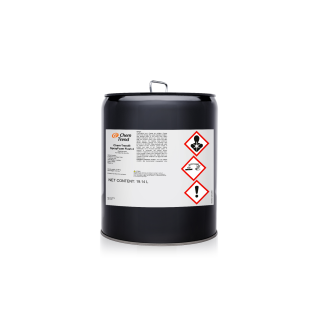
  • Chem‑Trend® Flush 4 is a deep‑cleaning flushing solvent formulated for spray foam equipment. It’s used to dissolve cured polyurethane from metal and synthetic surfaces.
  • Follow Chem‑Trend’s process order: after your initial purge with Chem‑Trend® FC‑10008, circulate Flush 4 ~20 minutes; avoid heating over 100 °F (38 °C); don’t leave it in the machine more than 4 hours; then drain.
  • For longer‑term storage, use FC‑10008 to purge residual material.
  • Operator tip: Clean disassembled parts (mix chamber, check valves) with the recommended solvent, then blow out passages with compressed air and dry before reassembly.

Why not use “anything that cuts foam”? Highly aggressive strippers (e.g., methylene chloride) carry significant toxicity concerns and are widely discouraged in field practice; purpose‑built flushes and glycol‑ether solvents offer a safer effectiveness‑to‑exposure balance when used per SDS.

Coatings applications: clean changeovers without cross‑contamination

Whether you’re applying acrylic, urethane, or silicone coatings, regular flushing and changeover discipline are critical.

  • Flush reservoirs, lines, valves, and nozzles with a compatible thinner (e.g., MEK, xylene) recommended by your coating supplier.
  • Don’t use harsh stripping agents intended for removing cured coatings from finished parts.
  • Butyl Cellosolve (2‑butoxyethanol) — a versatile glycol ether — serves as an active solvent in solvent‑borne coatings and a coalescent/coupling agent in water‑borne systems.
  • DOP (Dioctyl Phthalate) is primarily a plasticizer, but in some coating formulations it functions as a film‑forming additive that improves flexibility and weathering.

Painting applications: the right cleaning solvent for sprayers and tools

  • For oil‑based paints and varnishes, Mineral Spirits (white spirit) remains the industry’s go‑to for thinning and for cleaning brushes, rollers, and spray guns.
  • For water‑based/latex coatings, most cleanup is warm water + mild detergent, with solvent spot‑treatment only if needed.
  • Always disassemble spray guns per the OEM manual and clean nozzles/needles thoroughly to avoid pattern issues and premature wear.

Quick picks: which of “our” solvents to use where?

You can buy all the following from us — reach out for product‑specific SDS/TDS and compatibility checks.

  • Chem‑Trend® Flush 4 – Deep‑clean flushing solvent for spray foam equipment.
  • Chem‑Trend® FC‑10008 – Use before Flush 4 to purge residuals and for longer‑term storage.
  • Butyl Cellosolve (2‑butoxyethanol) – Coatings solvent/coalescent.
  • DOP (Dioctyl Phthalate) – Plasticizer that can act as a film‑forming aid.
  • Mineral Spirits (White Spirit) – Thinner and cleaner for oil‑based paints/varnishes.

Safety, VOCs & disposal: do it right (and stay compliant)

  • Always consult the SDS: check PPE, ventilation, flash point, and incompatibilities before use.
  • Mind Canadian VOC rules: Canada’s Volatile Organic Compound Concentration Limits for Certain Products Regulations set limits and record‑keeping requirements.
  • Dispose of solvents properly: use licensed handlers or approved drop‑off programs.

Step‑by‑step: example flush for spray foam equipment

  1. Purge residuals with Chem‑Trend® FC‑10008.
  2. Circulate Chem‑Trend® Flush 4 for ~20 minutes; do not heat above 100 °F (38 °C).
  3. Drain completely; avoid leaving Flush 4 in the machine >4 hours.
  4. For longer storage, run FC‑10008 again to purge residuals.
  5. Inspect seals for compatibility and replace if swelling/softening is observed.

Pro maintenance tips that cut downtime

  • Standardize changeovers: flush until clear with a compatible thinner.
  • Clean immediately after use: keeps fibers and passages from cementing up.
  • Schedule periodic deep cleans on guns, filters, and lines.

Frequently Asked Questions about Solvents

How often should I clean my spray foam equipment?

After every use. Routine flushing and drying prevent cured build‑up, uneven patterns, and premature component wear. Use Chem‑Trend® Flush 4 after FC‑10008 as part of your standard shutdown.

What’s the best solvent for cleaning painting tools and spray guns?

For oil‑based paints: Mineral Spirits. For water‑based/latex: warm water + mild detergent. Disassemble spray guns and clean nozzles/needles thoroughly.

How do I prevent cross‑contamination when switching coatings?

Flush the reservoir, lines, and valves with a compatible thinner. Avoid cured‑coating strippers in the fluid path.

What safety and compliance steps should I follow with solvents?

Check the SDS for PPE and ventilation; manage flammability risks; and follow Canadian VOC and Ontario hazardous waste requirements.

View as List Grid

3 Items

Set Descending Direction
  1. Chem-Trend Spray Foam Flush 4 (5-gal)
    $595.00
    Chem-Trend SprayFoam Flush 4 is a deep cleaning solvent for spray foam equipment.
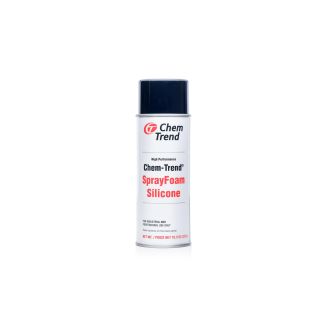
  2. Chem-Trend Spray Foam Silicone
    $29.95
    When overspray occurs with polyurethane spray foam insulation, the excess adheres to everything it touches. And without protection, damage to the surfaces of your equipment inevitably occurs during the removal process. Chem-Trend offers an easy way to protect your equipment and prevent overspray from sticking to surfaces.
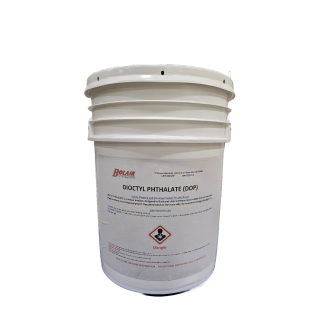
  3. DOP - 5GAL Pail
    $289.95
    Pump lube for spray equipment.
per page