
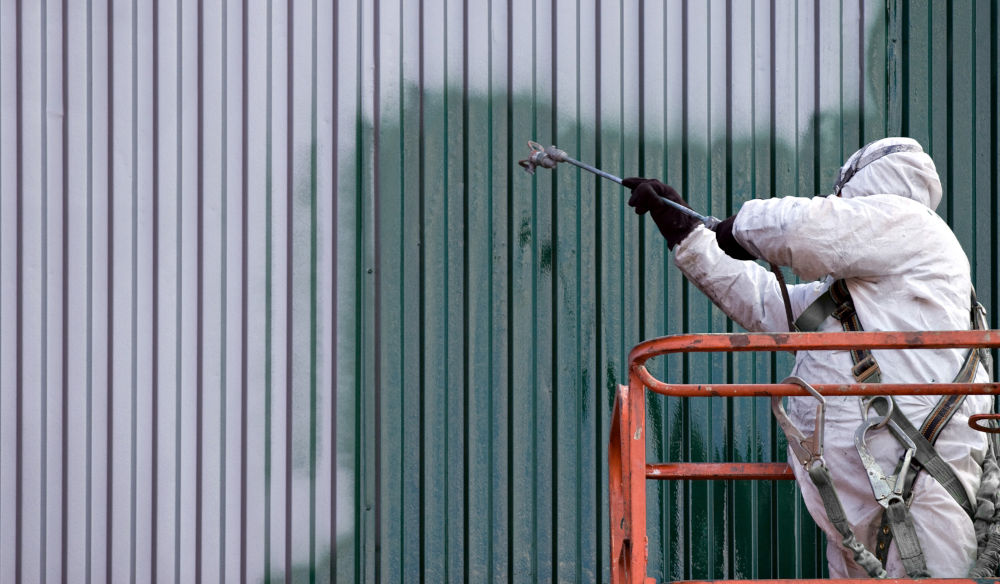

Spray technicians may need a spray gun with stainless-steel wetted parts when applying waterborne coatings or chemically aggressive materials. Common examples include certain latex paints, acrylic coatings, waterborne polyurethane coatings, and waterborne automotive basecoats. Always confirm compatibility with both the coating and spray-equipment manufacturers.
If a coating is incompatible with the gun’s wetted components, it can contribute to corrosion, premature wear, contamination, or sealing problems that affect later applications.High-pressure spray guns like the WIWA 500 F have internal, stainless steel parts that provide this functionality, helping to preserve your equipment and ensure high-quality coatings down the line.
Waterborne paint spray guns are non-negotiable for contractors who work with water-based materials. Aluminum spray guns corrode when they come into contact with water, which leads to rust. This rust can then flake off and contaminate any spray materials that move through it. Investing in a stainless steel WIWA Gun 500F is crucial for long-lasting performance.
Key Takeaways
- A spray gun with stainless steel wetted parts is often the right choice for waterborne materials such as latex paint, acrylic coatings, waterborne polyurethane and basecoats.
- Water-based materials can corrode aluminum components over time, leading to pitting, leaking needle seats, contaminated material and inconsistent finishes.
- Wetted parts, meaning every part that touches the coating, should be compatible with the material being sprayed.
- Many solvent-based coatings are compatible with aluminum, so a standard aluminum spray gun can still be a practical, lower-cost option.
- Even a stainless steel spray gun should be flushed, drained and dried after each waterborne job to extend its service life.
- Bolair recommends spray guns based on material compatibility first, with options at different price points.
Why Wetted-Part Material Matters for Waterborne and Aggressive Coatings
Wetted parts are the sections of a stainless steel spray gun that contact the water-based spray material. They should be made from stainless steel instead of aluminum. Waterborne and corrosive materials can eat away at aluminum, causing rust to form inside the spray gun. This causes a range of problems, including:
- More Wear and Tear: Corrosion can shorten the lifespan of a spray gun. When exposure happens for long enough, it will eventually render internal parts useless, requiring a rebuild.
- Internal Damage: If corrosion builds up on the needle or seat within the spray gun, it may affect sealing, and fluid can begin leaking out.
- More Cleaning: Corrosion can form small pits within the spray gun that trap fluid material, making it harder for your team to flush.
- Material Contamination: Once corrosion builds up to the point that it starts flaking, it contaminates your fluid. You’ll have rust mixed in with your paint or protective coating material.
- Inconsistent Application: Contaminated fluid will not adhere or cure properly to the surface. This affects the final coat, including the durability and longevity.
What Happens When You Spray Waterborne Material Through a Non-Stainless Gun
In some materials, water acts as a carrier medium for the protective coating’s binder (polyurea, acrylic, epoxy, etc.). Water-based materials are often used instead of solvent-based materials because they promote better health, safety, and indoor air quality for spray technicians. They are instrumental in reducing VOCs and help meet the Canadian Environmental Protection Act’s regulations.
Unfortunately, water can corrode many types of metal, including aluminum. Traditional spray guns often have aluminum internal components, so when you use a waterborne material with these spray guns, you risk damage and application problems.
Over time, the interaction between water, oxygen, and the aluminum components forms corrosion — visible as rust. The rust begins to eat away at the inside of the spray gun, forming pits. These pits become impossible to clean, so rust has no way of being removed from the gun. Eventually, the rust starts flaking off from fluid passages into the spray material itself, ruining the spray pattern and finish. To prevent this, you should use an airless spray gun with corrosion resistance.
WIWA Gun 500F: Stainless Steel Construction for Waterborne Paint and Aggressive Coatings
To prevent this corrosion, you need to use a spray gun with stainless steel internal components like the WIWA 500F. Stainless steel does not corrode because it has chromium in it, which creates a very thin oxide layer on the surface. It essentially serves as a barrier against corrosion, preventing it from penetrating deeper into the metal.
All wetted materials that come in contact with the material inside the WIWA Gun 500F are made of this metal. These include the front inlet, swivel joint, internal fluid passages, valve seat, valve needle, and the nozzle connection area. Non-wetted parts that don’t come in contact with the material (such as the grip) are made from other materials.
The spray gun should still be flushed and maintained after use:
- Shut down and depressurize the gun.
- Remove the tip and guard. Soak them in water if using a water-based material.
- Flush the gun. Use the pump’s suction tube to suck up water, aim the gun into a waste container, and pull the trigger until the cleaner runs clear.
- Let internal passages drain and dry, and reassemble the gun.
By following this maintenance, the WIWA 500F has a very long service life, even with daily use of waterborne coatings.
When a Standard Aluminum Configuration Is Still the Right Choice
A stainless steel spray gun isn’t always necessary, especially if you’re not using waterborne coatings. Many contractors still use solvent-based coatings for difficult applications where temperature and humidity are less than ideal, or when a specialized coating is needed. Examples include:
- High-temperature industrial equipment
- Bridges and heavy steel structures
- Offshore pipelines and drill applications
- Chemical processing and tank liners
Solvent-based coatings will not cause corrosion, so you can use a spray gun with aluminum internal components. Proper flushing and maintenance are still very important to ensure a long lifespan.
How Bolair Matches Gun Material to Your Spray Material at the Point of Sale
If you’re unsure about what type of spray gun you need, the team at Bolair would be happy to help. We don’t try to sell you the most expensive equipment or upsell you into an upgrade you don’t need. When you’re shopping for a spray gun, we prioritize material compatibility above all else.
Whether you’re replacing a spray gun that’s gone out of service or you’re shopping for a new one, we’ll take time to understand what your application requires and suggest a few different options at different price points. Ready to get started? Contact us today, and we’ll help you find the perfect aluminum or stainless steel spray gun.
Key Takeaways
- A stainless steel spray gun is the right choice for water-based materials such as latex paint, acrylic coatings, waterborne polyurethane, and basecoats.
- Water corrodes aluminum spray gun components. The result is pitting, leaking needle seats, contaminated material, and inconsistent finishes.
- Wetted parts, meaning every part that touches the coating, should be stainless steel when you spray waterborne materials.
- The WIWA Gun 500F is a high-pressure airless spray gun with stainless steel wetted parts. These include the inlet, swivel joint, fluid passages, valve seat, needle, and nozzle connection.
- Waterborne coatings help contractors lower VOCs and meet Canadian environmental regulations. That makes corrosion-resistant equipment a long-term need, not a niche upgrade.
- A standard aluminum spray gun is still a practical, lower-cost option for compatible solvent-based coatings.
- Even a stainless steel gun needs to be flushed with water, drained, and dried after every waterborne job to reach its full service life.
- Bolair recommends spray guns based on material compatibility first, with options at different price points instead of upselling.
FAQ About Stainless Steel Spray Guns
What is a stainless steel spray gun used for?
A stainless steel spray gun is used to apply water-based materials like latex paint, acrylic coatings, waterborne polyurethane, and basecoats. Every part that touches the coating is made of stainless steel, so water in the material won’t corrode the gun’s internals or contaminate your finish. It’s common in commercial painting, wood finishing, automotive, and industrial protective coating work.
What’s the best spray gun for latex paint?
The best spray gun for latex paint has stainless steel wetted parts, because the water in latex slowly corrodes aluminum internals. For contractors who spray latex or other waterborne coatings daily, a high-pressure stainless gun like the WIWA Gun 500F holds up without pitting or contaminating the finish. Match the tip size to your coating and pump.
Do I need a stainless steel airless spray gun for latex paint?
Yes, if you spray latex or other water-based paint regularly. Over time, water corrodes aluminum fluid passages. That leads to pitting, leaking needle seats, and paint contaminated with corrosion particles. A stainless steel airless spray gun like the WIWA 500F is built to handle daily waterborne use without that internal damage.
Can I spray water-based paint through an aluminum spray gun?
You can, but each job shortens the gun’s life. Water and oxygen corrode aluminum wetted parts and form small pits that trap material and make flushing harder. Eventually the corrosion flakes into the fluid stream, which causes poor spray patterns, adhesion problems, and an earlier, more expensive rebuild.
Which spray gun parts need to be stainless steel for waterborne coatings?
Every wetted part. On the WIWA Gun 500F, that means the front inlet, swivel joint, internal fluid passages, valve seat, valve needle, and nozzle connection area. Non-wetted parts such as the grip never touch the coating, so they can be made from lighter materials without affecting corrosion resistance.
Why is my airless spray gun spitting?
An airless spray gun usually spits because the tip is worn or partly clogged, a gun or pump filter is blocked, the pressure is set too low, or air is getting into the suction line. If it spits or drips after you release the trigger, check the needle and seat. Wear or corrosion there stops the gun from sealing.
How do I clean a stainless steel spray gun after spraying latex paint?
Shut down and fully depressurize the system. Remove the tip and guard and soak them in water. Then put the pump’s suction tube in clean water and trigger the gun into a waste container until the water runs clear. Let the internal passages drain and dry completely before you reassemble the gun.
When is an aluminum spray gun still the right choice?
An aluminum spray gun works well if you mainly spray solvent-based coatings that are compatible with aluminum. These are common on bridges, heavy steel structures, offshore pipelines, tank liners, and high-temperature industrial equipment. Always confirm solvent compatibility with the coating and gun manufacturer, and flush thoroughly after each job.
Is a stainless steel spray gun worth the extra cost?
For contractors who spray waterborne materials every day, it usually is. A stainless steel spray gun avoids the corrosion that leads to rebuilds, contaminated finishes, rework, and downtime. If most of your work uses solvent-based coatings, a standard aluminum gun may be the more cost-effective choice.
How much does a WIWA 500F spray gun cost in Canada?
The price of a WIWA 500F depends on the configuration, tips, and accessories you need. Registered Bolair customers can sign in at bolair.ca to see promotional pricing. You can also contact Bolair’s team for a quote on a stainless steel spray gun matched to your coating and pump.
Where can I buy a stainless steel airless spray gun in Canada?
Bolair sells stainless steel airless spray guns, including the WIWA Gun 500F, to contractors across Canada. Bolair’s team will look at your spray material and application first, then recommend aluminum or stainless steel options at different price points. Call 866-445-9751 or contact Bolair online to get started.
Please complete your information below to login.
Sign In
Create New Account