

Key Takeaways
- The material determines the equipment. Single-component materials can often be applied with standard single-component equipment, while two-component materials may require plural-component equipment, a co-spray gun, or another manufacturer-approved application method.
- Two-component spray equipment ensures accurate ratio control, proper curing, and consistent application for materials such as epoxies, waterproofing coatings, and spray foam.
- Using the wrong spray gun or spray system can lead to poor ratio control, inconsistent coverage, clogged equipment, wasted material, extra cleanup, and coating performance issues.
- Contractors should evaluate material date sheets, mix ratio, job size, workflow, pot life, viscosity, temperature requirements and production volume before investing in plural-component equipment.
- The Bolair DuoX25 is designed for dual-component co-spray sealers and waterproofing coatings where the material components are applied simultaneously at the substrate.
Table of Contents
- Single-Component vs. Two-Component Materials
- When a Standard Single-Component Airless Gun Is Still the Better Choice
- When Two-Component Spray Equipment Is Needed
- Why Dual-Component Application Can Improve Consistency
- Common Problems When Using the Wrong Gun for Two-Part Materials
- Single-Component vs. Two-Component Equipment Comparison
- Cost, Waste, and Workflow Considerations
- Questions to Ask Before Buying Two-Component Spray Equipment
- How Bolair Helps Contractors Choose the Right Spray Gun
- FAQ About Two-Component Spray Equipment
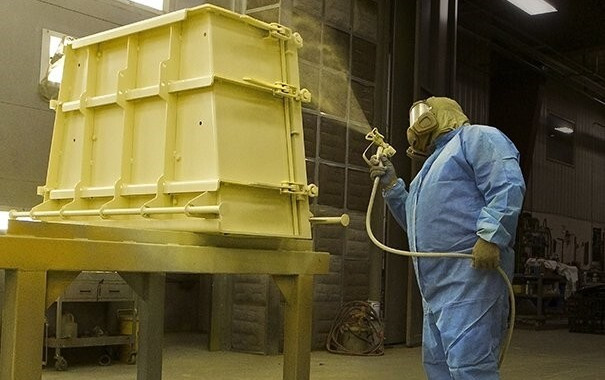
Most spray contractors eventually have to decide if two-component spray equipment is right for them. The decision comes down to the material being used, the manufacturer’s application requirements, and whether separate components must be metered, mixed, or applied at a controlled ratio.
For many paints and some protective coatings, single-component equipment may be enough. But for materials that require controlled ratio mixing, simultaneous two-component application, or point-of-application delivery, contractors may need plural-component spray equipment, or a complete dual-component spray system.
Single-Component vs Two-Component Materials
Single-component materials are applied as one product and are often ready to spray from the container, depending on the product. Examples can include many paints, some protective coatings, and other ready-to-use materials. Plural-component materials contain two or more separate components that must be combined according to the manufacturer’s specified ratio before or during application. Common examples include many epoxies, polyurea coatings, spray foam systems, and some specialty waterproofing materials.
Two-component materials require an application method that matches how the product is designed to be mixed and applied. Depending on the material, this may involve pre-mixing, a plural-component proportioner, a static mixer, a mix manifold, a two-component spray gun, Some materials are mixed before spray, some are mixed in the equipment, and some are applied simultaneously at the point of application. Heat is often required for high solids coatings in the form of primary heat and heated fluid hose.
When a Standard Single-Component Airless Sprayer Is Still the Better Choice
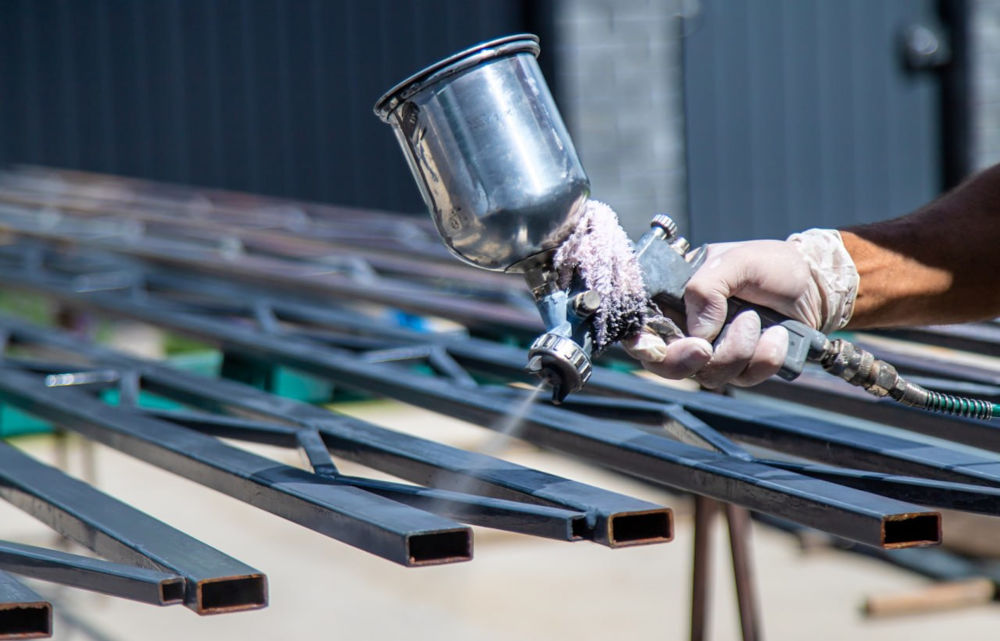
Many materials are single-component or can be pre mixed (hot potted) prior to spraying and do not require ratio controlled mixing or two component pumps systems. These products can often be applied with standard single-component spray equipment, such as airless or air-assisted airless systems, when approved by the material manufacturer. For these jobs, simpler equipment is usually easier to operate, maintain, clean, and justify from a cost standpoint. Keep in mind, in most cases, solvent flushing will be required to clean the entire pump system from start to finish.
When Two-Component Spray Equipment Is Needed
If a contractor is working with a two-component or multi-component material, the equipment must match the material manufacturer’s mixing and application requirements. Some materials require plural-component spray equipment for controlled ratio delivery, while others may use pre-mixing, cartridges, static mixers. For two-part sealers, waterproofing coatings, and other specialty materials, the right equipment helps support proper curing, consistent coverage, and long-term coating performance.
Why Dual-Component Application Can Improve Consistency
In dual component sealer applications and coating applications, the right spray equipment can improve consistency by helping control material delivery, ratio, spray pattern, and coverage. When a material requires a controlled ratio or simultaneous application, manual mixing or single-component equipment may not provide the consistency needed for production work.
Manually mixing can introduce ratio errors, inconsistent blending, wasted material, and pot-life limitations. Some materials may also require temperature control, agitation, specific viscosity ranges, or proper pressure balance. If a material requires controlled two-component delivery, using single-component equipment can lead to inconsistent coverage, curing issues, clogs, or equipment problems.
Common Problems When Using the Wrong Gun for Two-Part Materials
Using the incorrect spray gun or spray system with a two-component material can affect both the finished coating and the jobsite workflow. If the material requires controlled ratio delivery, point-of-application mixing, or simultaneous application, the wrong equipment can lead to:
- Off-ratio or inconsistent material delivery.
- Clogged tips, hoses, mixers, or gun components.
- Wasted material due to pot-life limits or incorrect setup.
- Extra cleanup and labor expenses.
- Concerns with long-term material performance.
How to Decide: Single-Component Gun or Two-Component Spray Equipment
| Material / Application | Recommended Direction | Why |
|---|---|---|
| Single-component coatings | Use standard single-component spray equipment | These materials are applied as one product and do not require controlled ratio delivery or simultaneous dual-component application. These types of materials may require the manual mixing of two components prior to putting through the pump system and in many cases the operator must be aware of the pot life of the mixed material. |
| Two-part sealers | Use two-component spray equipment | Depending on the product, this may require plural-component equipment, a co-spray gun, static mixing, or another controlled application setup. |
| NaturaSeal waterproofing coatings | Use a co-spray gun or compatible dual-component spray setup, such as the Bolair BWPX 6900. | Bolair has designed its equipment to work with the NaturaSeal product line. |
| Small occasional jobs | Choose the simplest equipment that still meets the material manufacturer’s requirements | For limited-use work, simpler equipment is usually more cost-effective, easier to operate, and easier to maintain. |
| Production waterproofing work | Use a production-ready spray system matched to the material, jobsite conditions, and required output | Production jobs may benefit from faster application, reduced waste, consistent coverage, longer hose reach, heating options, and improved workflow when the system is properly matched to the material. |
Cost, Waste, and Workflow Considerations
The cost of the equipment itself is only one factor when choosing a single-component or two-component spray setup. Contractors should also consider material waste, setup time, cleanup, training, maintenance, parts availability, production speed, and whether the system can support the material’s required ratio and application method.
Questions to Ask Before Buying Two-Component Spray Equipment
- Is the material single-component, two-component, or multi-component?
- What mix ratio does the manufacturer specify?
- Does the material require pre-mixing, static mixing, proportioning
- What is the material’s pot life or working time?
- Does the material require temperature control, agitation, or heating?
- What viscosity range does the spray system need to handle?
- What pressure, hose length, and tip setup are recommended?
- Is the project occasional work or production waterproofing/coating work?
- What cleanup, flushing, and maintenance requirements come with the system?
- Are replacement parts, service, and technical support readily available?
Bolair can help review these questions and recommend whether your application calls for a standard spray gun, plural-component equipment, or a complete waterproofing spray package.
How Bolair Helps Contractors Choose the Right Spray Gun
At Bolair, we help contractors match spray equipment to the material, application method, and jobsite requirements. Our team can review the material data sheet, mix ratio, viscosity, pot life, pressure requirements, hose layout, and production needs to determine whether a standard spray gun, plural-component proportioner, or complete waterproofing spray package is the right fit.
Ready to choose the right setup? Reach out to one of our experts today to discuss your project in more detail.
FAQ About Two-Component Spray Equipment
What is two-component spray equipment?
Two-component spray equipment is designed for materials made from two separate components that must be combined, proportioned, or applied according to a manufacturer-specified ratio. The right system helps maintain ratio control, proper curing, and consistent coating performance.
When do I need a two-component spray gun?
You need a two-component spray gun when the material manufacturer specifies that two separate components must be delivered, mixed, or applied during the spray process. This can apply to certain waterproofing systems, epoxies, polyurea coatings, spray foam systems, and two-part sealers, depending on the product.
What is the difference between single-component and two-component spray equipment?
Single-component equipment sprays materials applied as one product. Two-component equipment is used when separate components must be proportioned, mixed, or applied according to the manufacturer’s instructions during the spray process.
Can I spray two-component materials with a standard airless gun?
Not if the material requires controlled ratio delivery, simultaneous application, or point-of-application mixing. A standard single-component airless gun is not designed to proportion and deliver separate components at a controlled ratio. Using the wrong equipment can lead to off-ratio application, curing issues, uneven coverage, clogs, and wasted material.
What are the benefits of using two-component spray equipment?
Properly matched two-component systems can improve ratio accuracy, reduce manual mixing errors, support compatible fast-curing or limited-pot-life materials, reduce waste, and improve coating consistency during production work.
How do I know if my project requires plural-component equipment?
Review the material manufacturer’s technical data sheet. If the product requires separate components to be proportioned, mixed, heated, or applied at a controlled ratio during spraying, you may need plural-component equipment, or another approved two-component application method.
Please complete your information below to login.
Sign In
Create New Account