

Key Takeaways
- Equipment matters. Proper spray equipment is essential for ensuring roof coatings perform as intended, especially in Canada’s extreme weather conditions.
- Know your material. Different roof coatings — acrylic, silicone, elastomeric, polyurethane, and polyurea — require different levels of pressure, flow rate, and temperature control.
- Match coating with sprayer. Selecting the wrong equipment can lead to poor adhesion, clogging, or coating failure. Always match your sprayer to the material specifications.
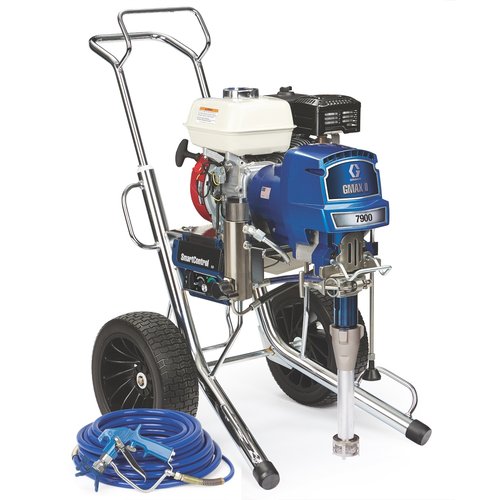
- Canada-specific considerations. Cold climates and moisture-heavy environments call for specialized features like hybrid heaters, heated hoses, and anti-freeze systems.
- Compare before you buy. Use performance tables and feature checklists to find the right sprayer for your job — whether you're handling residential maintenance or industrial-scale coating.
Whether you're a roofing contractor, facility manager, or building maintenance professional, choosing the right roof coating spray equipment is key to achieving long-lasting protection, energy efficiency, and waterproof performance. With diverse climate conditions across Canada — from coastal humidity to freezing winters — high-performance spray machines help ensure smooth application, reliable adhesion, and minimal downtime. In this guide, we’ll walk through essential features, equipment comparisons, and technical tips to help you select the most effective sprayer for your coating projects.
Table of Contents
- Why Choosing the Right Roof Coating Sprayer Is Critical in Canada
- Spraying Roof Coatings: The Basics
- Key Features to Look For in a Roof Coating Sprayer
- Top Picks to Help with Your Spraying Roof Coating Job
- Choosing the Right Sprayer
- Roof Coating Spray Equipment for Canadian Conditions
- FAQ About Roof Coating Spray Equipment
- Find the Right Roof Sprayer for Your Next Job
Why Choosing the Right Roof Coating Sprayer Is Critical in Canada
Applying roof coatings comes with unique challenges, especially in Canada, where extreme weather can shorten a roof’s lifespan if the application is flawed. Canada’s weather can also shorten your window for spraying roof coatings. Also, as outside temps drop, material often thickens and the roof itself gets colder adding to the challenges of spraying. Best to have the right equipment for the right spray job for the specific time of year the coating is to be applied. From harsh sun exposure to freezing rain and wide temperature swings, Canadian conditions demand more than just a quality coating — they require reliable roof coating spray equipment.
A proper sprayer ensures the coating forms a seamless, fully adhered membrane with the correct thickness, coverage, and adhesion. This helps prevent premature cracking, UV degradation, and moisture infiltration. Whether you're applying elastomeric, acrylic, or silicone coatings, high-performance sprayers improve efficiency, reduce waste, and enable consistent results across large roof surfaces.
In cold provinces like Alberta or Northern Ontario, heated lines or hybrid systems may be needed to maintain material flow. In coastal zones like British Columbia, sprayers must ensure uniform coverage to handle persistent rain and humidity. These environmental factors make equipment choice as critical as material choice.
In this guide, we’ll walk you through how to choose the right sprayer, what features to look for, and which models are best suited for your project needs — whether you're managing a flat commercial roof or protecting a residential structure.
Spraying Roof Coatings: The Basics

In the simplest terms, roof coatings are fully-adhered, monolithic, fluid-applied roofing membranes with elastic properties allowing them to stretch and return to their original state without any permanent damage.
Roof coatings are famously regarded as spray-applied roofing mainly because home builders prefer using sprayers when coating roofs, as they allow a smoother, extended spread and continual flow of coating across roof substrates. This helps builders achieve a seamless, waterproof roof membrane.
While a more recent development in the roofing industry, spray-applied roofing has offered awe-inspiring performance since its introduction, becoming one of the most reliable options for replacing flat roofs available presently.
Roof coatings are generally recommended for flat and low-sloped roofs. Flat roof spray coatings are applied as a liquid and allowed to dry within eight to twenty-four hours, depending on the weather conditions.
The major advantage of spray roof coatings over other alternatives is their ease of application. With your roof coating spraying equipment – a pump and sprayer – you can apply the coating effortlessly by yourself. Interestingly, you don’t always need a primer for your coatings.
Spray applied coating system also helps you achieve seamless bonding, forming a strong, impermeable membrane which water can only penetrate if you misapply the spray. Apart from this system’s strong adhesive and cohesive properties, spray-applied coatings are also reflective. After completely drying, they efficiently reflect the sun rays, ensuring the roof surface and your building interior is kept cool.
Spray-coated roofs are easy to repair. After identifying the problem, you can quickly fix any leak or crack with chalk. However, you can also prevent possible wear-off, leaks, or cracks through routine inspections and maintenance.
Summarily, spray-applied roof coatings are undoubtedly one of the best materials needed to maintain your roof, thanks to the numerous advantages that they offer. However, if you are considering spray-on roof coatings, then there are a few factors to consider, especially the weather or climatic conditions, type of roof, and, most importantly, the best roof coating spray equipment to use.
The section below carefully reviews the best roof coating spray equipment to use. Available here at Bolair, this equipment offers multiple valuable features, including wide coverage, high pressure, and flow rate, making them an extremely versatile option for use.
The coating spray equipment is designed for various roofing systems. Whatever your needs may be, whether spray-on roof coating for shingles, rubber, acrylic, etc., you can be sure of finding the best match in our catalogue of products.
Key Features to Look For in a Roof Coating Sprayer
When it comes to applying roof coatings effectively and efficiently, the sprayer you choose makes all the difference. Especially in demanding environments like those across Canada, understanding core equipment features helps ensure success on every job. Below are the most important factors to consider:
- Maximum Pressure (PSI): Thick coatings such as elastomeric or silicone require high pressure (3,500–7,500 PSI) to achieve proper coverage and penetration.
- Flow Rate (GPM): High-output jobs call for flow rates between 2.0 and 4.0 GPM. A higher flow rate speeds up application without compromising coating quality.
- Material Compatibility: Not all sprayers support every coating type. Be sure your equipment can handle elastomeric, acrylic, silicone, polyurea, or urethane materials based on your project.
- Spray Tip Control: Different coatings require different tip sizes and fan patterns. Using a sprayer with interchangeable tips ensures precision and coating uniformity.
- Cold-Weather Adaptability: In colder regions, choose machines with hybrid heaters or heated hoses to maintain coating flow and application consistency.
- Ease of Maintenance: Choose equipment that’s easy to clean, service, and repair — especially when working in remote areas or under tight deadlines.
Selecting a sprayer based on these criteria helps ensure reliable performance, reduced material waste, and successful coating adhesion — regardless of roof type or weather conditions.

Top Picks to Help with Your Spraying Roof Coating Job
Are you wondering how to spray elastomeric roof coatings, or find more versatile silicone roof coating spray equipment? Bolair is your best bet!
Compare Roof Coating Sprayers: Features and Performance
Choosing the right roof coating sprayer means understanding how various models perform under different conditions. Below is a quick comparison of the top equipment options available at Bolair, highlighting flow rate, pressure, coating compatibility, and usage environment.
Model | Max Pressure (PSI) | Max Flow Rate (GPM) | Coating Types | Best For | Weight |
King Airless | 7,250 | 2.4 | Elastomeric, Acrylic | Commercial, Industrial | 135 lbs |
King XP Plural Component | 7,250 | Variable | Urethane, Polyurea, Epoxy | High-output jobs, Rail/Bridge | ~180 lbs |
Reactor H-XP3 | 3,500 | 2.5 | Polyurea, Spray Foam | Harsh Climate, Cold Weather | 220 lbs |
Graco GH833 | 4,000 | 4.0 | Silicone, Acrylic | Roofing Contractors, Large Jobs | 190 lbs |
Characterized with versatility and ease of use, our products have been designed and manufactured to meet your needs as a professional contractor or for personal use.
Regardless of the project’s size or complexity, you can find the perfect silicone roof coating spray equipment to match your specific requirements with our top equipment picks to help you with your spraying roof coating jobs.
The King Airless Sprayer features a high-performing, high-pressure spraying technology, offering long-lasting durability and enhancing productivity. This air-operated sprayer is perfect for extremely tough conditions, including corrosion-control materials.
Bolair also offers the new electric King airless sprayer — E-Max XT, which delivers the same rugged performance with reduced noise and no need for compressed air, making it ideal for enclosed or regulated job sites.
With this roof coating spray equipment, you don’t need to worry about downtimes, as the spraying equipment features a de-icing model that eliminates freeze-ups.
Top Features
- Perfect for rugged coating conditions.
- Offers long-lasting results thanks to its motor technology design.
- Includes 3 motor sizes.
- Available in 8 models, depending on your requirements and required specifications.
- Features a DataTrak monitor for system diagnostics, runaway control, and material tracking.
- Fewer downtimes, thanks to its de-icing capabilities
2. King XP Plural-Component Sprayer
Undoubtedly, plural-component spraying is the next big thing for spray-applied coating systems. The King XP Plural Component Sprayer is high-pressure spraying equipment for protective coatings. Like the King Airless Sprayer, this this two-component roof coating spray equipment was also designed for the toughest coating conditions, ideal for bridge, marine, wind energy, and rail applications.
With the King XP Plural Component Sprayer, you can download spraying data, making repeated tasks faster and easier to do, reducing waste, and ensuring accuracy, ultimately improving productivity.
Top Features
- Features advanced but easy-to-use user controls, making the equipment usable by both amateurs and professionals.
- Supports multiple spray guns for increased productivity.
- Variable Mix Ratio Systems are available in the XM series of airless plural sprayers.
3. Reactor H-XP3
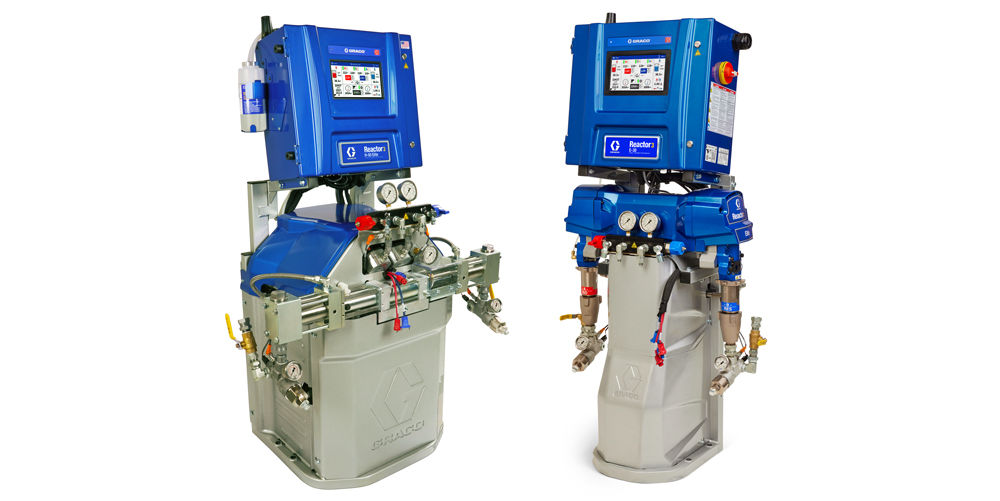
The Reactor H-XP3 was designed and manufactured for applying high-pressure coatings, such as polyurea. Characterized with high performance and power, the Reactor H-XP3 features hybrid heaters for heating materials quickly while maintaining pre-set temperature points.
Supporting maximum flow rates, this equipment enhances productivity, allowing reach your target as quickly as possible without affecting quality. Reactor H-XP3 is easy to use and maintain – its durability, if appropriately maintained, is unmatched.
Top Features
- Digital pressure and heat control for programming pressures and temperature and monitoring overall performance.
- Powerful hybrid heaters for quick heating, maintaining pre-set temperature points without having to reduce your flow rates.
- Easy to service and maintain.
4. Graco Big Rig Sprayers (GH675, GH833, GH933, and GH5040)
Graco Big Rig Sprayers are the perfect sprayers for jobs that require top-tier performance, versatility, and durability. Their uses range from applying roof coatings to waterproofing, fireproofing, and applying protective coatings, and each is customizable to best fit the material being sprayed, along with prioritizing the most cost-effective system.
With a heavy-duty JetRoller system and a 25-gallon material hopper, this equipment allows you to save time by maximizing productivity through one-step spray and back roll technology and fewer necessary refills.
Top Features
- Oil Alert prevents damage from oil levels that drop too low by shutting down the engine automatically.
- Easily customizable for each coating to allow for versatility and top-tier performance, no matter the job.
- Include time-saving accessories to maximize productivity.
Choosing the Right Sprayer
Different roof coatings require different equipment — not just in terms of pressure and flow, but also material compatibility, spray tip size, and hose heating. The sprayer you use must match the coating type to ensure smooth application, proper adhesion, and long-term durability. Below are the most common roof coating types used in Canada, and the ideal sprayer types for each:
Acrylic Coatings
Water-based and lower in viscosity, acrylic coatings are widely used on sloped metal roofs and flat commercial systems. They can be applied using mid- to high-pressure airless sprayers with smaller orifices. Machines like the Graco GH833 or King Airless offer the right balance of pressure and flow to ensure even coverage without overspray. Acrylic coatings are a popular choice for UV resistance and cost efficiency.
Silicone Coatings
Silicone coatings are thicker and more viscous than acrylics, offering superior resistance to ponding water and UV degradation. Because of their density, they require high-pressure sprayers with large tip sizes and anti-clogging systems. Models like the GH5040 or King sprayers are suitable, especially for large flat roofs in humid regions like British Columbia. These machines ensure full coverage without streaking or equipment jams.
Elastomeric Coatings
Elastomerics are flexible, rubber-like coatings that expand and contract with the roof surface. Though sometimes acrylic-based, they tend to be thicker and need airless sprayers with at least 3,500 PSI and consistent GPM output. The King Airless and GH833 are top choices for this material, delivering wide fan patterns and high-pressure atomization required to avoid uneven application.
Polyurethane Coatings
Polyurethane (PU) coatings come in aromatic and aliphatic forms, often used for industrial roofs exposed to mechanical wear or chemical exposure. These coatings are solvent-based, denser, and require sprayers that support aggressive materials. Machines with strong seals, high PSI, and easy-clean components — like the HXP3 series — are recommended. These coatings may also require specialized cleanup procedures.
Polyurea Coatings
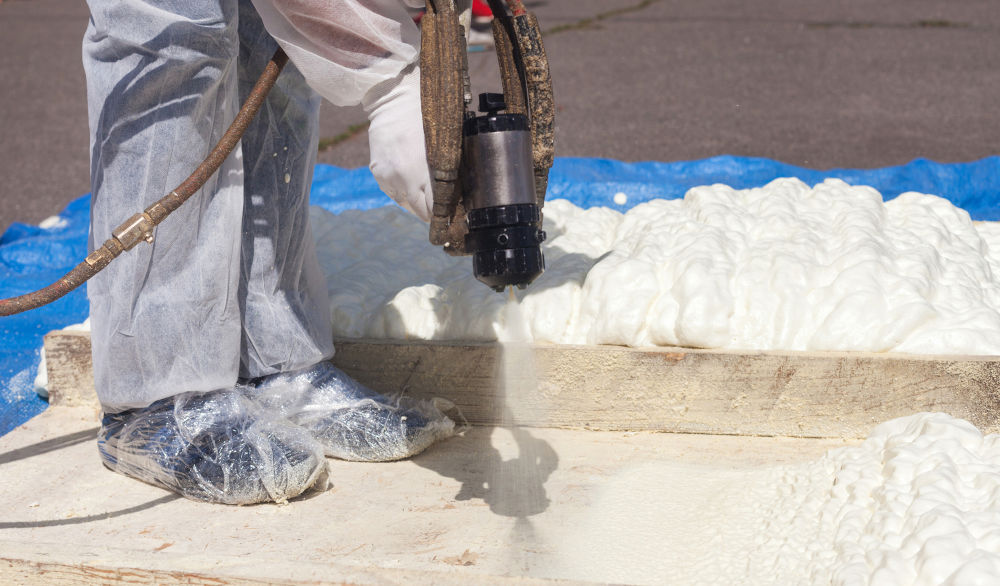
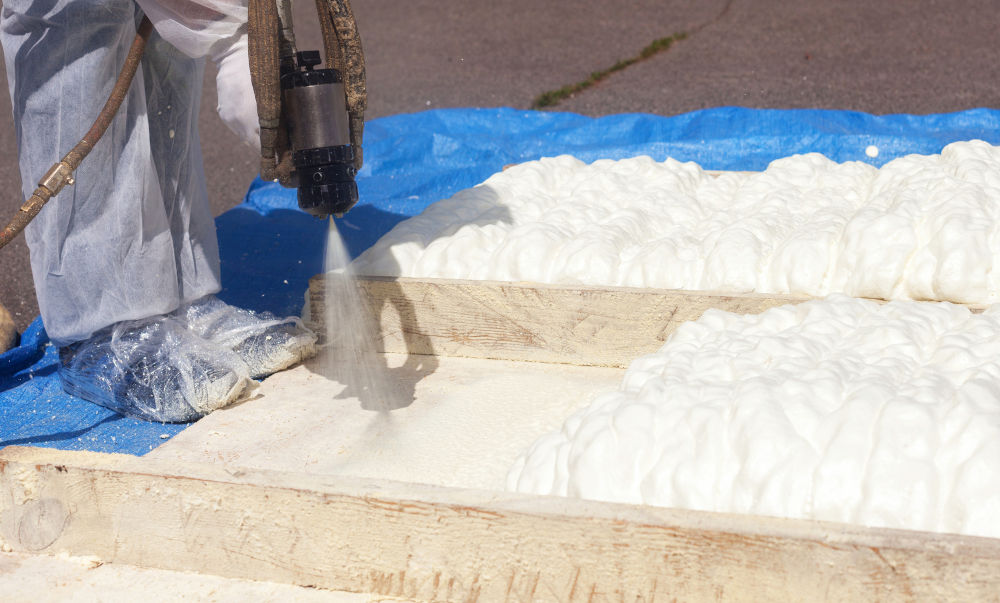
Known for their extremely fast cure times and exceptional durability, polyurea coatings are used on commercial and specialty roofs. They require plural-component sprayers capable of ratio control, heating, and synchronized mixing. Equipment like the King XP Plural Component Sprayer or Reactor H-XP3 is essential. These systems maintain temperature stability and ensure the coating is properly atomized before rapid set begins.
⚠️ Using the wrong sprayer for a given material can result in poor adhesion, clogged equipment, or premature failure. Always verify manufacturer specifications before selecting your spray system.
Roof Coating Spray Equipment for Canadian Conditions
Canadian weather conditions demand specialized spray equipment that performs consistently in extreme environments. In provinces like Ontario, Alberta, and British Columbia, roof coating sprayers must withstand:
- Cold weather performance: Sprayers like the Reactor H-XP3 with hybrid heaters ensure consistent flow and temperature maintenance in sub-zero climates, critical for Alberta's long winters.
- UV resistance & humidity: In humid, rainy coastal regions like BC, coatings like silicone and acrylic need even application with minimal dry time. Equipment with high-pressure output and precise tip control helps achieve optimal coverage.
- Wide temperature variations: Ontario’s seasonal shifts require sprayers that adjust quickly and maintain performance over a broad temperature range. Features like de-icing, pressure monitoring, and flow control reduce downtime and improve consistency.
Always verify equipment compatibility with elastomeric, acrylic, or silicone coatings, and ensure the spray rig meets safety and electrical standards approved for Canadian use.
FAQ About Roof Coating Spray Equipment
Can You Spray Acrylic Roof Coating?
Yes, you can spray acrylic roof coatings. As a popular choice for sloped metal roofs, acrylic coatings are usually sprayed using guns with small orifices. Here, you fill the spray pump with the coating and pressurize out when applying.
Spraying acrylic roofs has proven to be the most cost-efficient option, especially when handling large jobs. Apart from spraying your acrylic roof coatings, you can also use brushes or rollers.
Are you considering spraying your acrylic roof coating? Check out our catalogue of spray equipment to choose the sprayer that best suits your needs.
How Long Does Roof Coating Last?
The durability of roof coatings depends on several factors, most importantly the roof’s thickness, weather conditions, and level of roof maintenance employed. Nonetheless, a roof coating should last between 10 to 20 years if properly maintained.
Despite lasting as long as a decade, it is usually advised to consider recoating your roof every five years to protect its integrity and ensure continued performance. Also, apart from this routine recoating, you should coat your roof again whenever you notice the presence of pooling water or cracks. Quickly addressing such issues helps prevent further possible damages.
Can Roof Coating Be Sprayed?
Yes, roof coatings can be sprayed. However, the spraying approach required depends on the type of roof. For instance, elastomeric roof coatings require a large airless sprayer for efficiency due to the thickness of the roof type.
Spraying your roof coating helps a great deal in maintaining the value, state, and integrity of roofs. To apply, first, clean the roof using a high-pressure cleaner. If required, you should also consider repairing the roof before spray coating. With the proper roof coating spray equipment, you can be sure of having the best result possible.
What is the best sprayer for elastomeric roof coatings?
High-pressure airless sprayers such as the King Airless or GH833 are ideal for elastomeric coatings due to their ability to handle high-viscosity materials and deliver consistent, even application.
Can I spray silicone coatings in cold weather?
Yes, but you'll need a sprayer with heated hose options or hybrid heaters to keep the material flowable. Also ensure environmental temperatures meet the coating manufacturer’s recommendations for adhesion.
Do I need a different sprayer for polyurea or two-component systems?
Yes. Plural-component systems like the King XP or the Reactor H-XP3 are designed to handle polyurea, urethane, and other two-part coatings with separate ratios and temperature controls.
What maintenance does a roof sprayer require?
Daily cleaning of fluid sections, filter checks, and regular tip inspection are essential. Some models feature maintenance alerts or diagnostics like Graco’s DataTrak.
Find the Right Roof Sprayer for Your Next Job
Whether you’re working with elastomeric, acrylic, or silicone roof coatings, choosing the right spray equipment is essential for performance and longevity. At Bolair, we offer a complete range of high-pressure, heated, and plural-component sprayers suitable for Canadian climates and all major coating types.
Need help selecting a sprayer? Our team can recommend equipment based on your project size, material, and temperature requirements.
Contact Us for expert guidance.
Validate your login
Sign In
Create New Account