
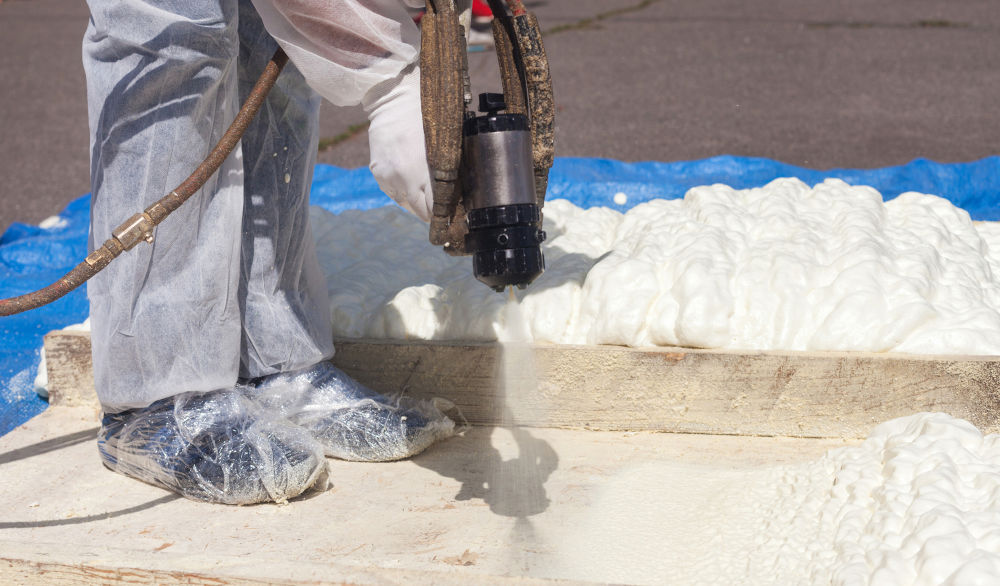

Key Takeaways
- Subcontracting spray foam may work for occasional jobs, but repeated scheduling delays and margin loss often make in-house capability the smarter long-term move.
- The true cost of subcontracting is not just pricing - it also includes timeline disruptions, quality control issues, and reduced project flexibility.
- Contractors who regularly need spray foam insulation, want more control over scheduling, and are ready to invest in training may be ready for their own setup.
- Choosing the right starter setup depends on job volume, power requirements, storage, climate conditions, and future growth plans.
- For many growing contractors, a mobile spray foam rig can improve efficiency, protect profitability, and create more control over day-to-day operations.
Table of Contents:
- Why Builders Consider Doing Spray Foam In-House
- The Hidden Costs of Subcontracting Spray Foam
- Why Spray Foam is Better Than Fiberglass for Renovations and New Builds
- Checklist: How to Know If You’re Ready for In-House Spray Foam
- Choosing the Right Spray Foam Starter Setup
- Common Mistakes First-Time Spray Foam Teams Make
- How Bolair Can Put You On the Right Path
- Frequently Asked Questions About Spray Foam Setups for Contractors
Many builders and contractors prefer to subcontract spray foam insulation. While it seems like a good idea on paper, subcontracting often creates headaches. Scheduling conflicts are common, and subcontracting can eat into the margins of a build.
For small-time contractors, subcontracting makes sense. As soon as an operation begins to grow, however, a mobile spray foam setup becomes an advantage. Bolair helps contractors find the right size rig for their business’s growth trajectory, giving them more control over their work, improving efficiency, and maximizing profits. Here’s everything you need to know about when and how to invest in your first spray foam rig.
Why Builders Consider Doing Spray Foam In-House
Contractors start to consider purchasing their own spray foam equipment when subcontracting stops becoming convenient. When finding someone with availability becomes a chore and rescheduling happens more frequently, you can’t help but wonder if you’d be better off handling the process yourself.
Once the bulk of your work begins to require spray foam, you’ll also start to notice that subcontracting shrinks your profit margins. Quality control also becomes more important. Bad insulation may go unnoticed on one or two jobs, but if you’re consistently underdelivering because of inexperienced, rushed spray foam techs, it’s time to take it into your team’s own hands.
The Hidden Costs of Subcontracting Spray Foam
A lot of builders focus on the cost of subcontracting when they’re deciding whether it’s time to take operations in-house. But in reality, margins are only part of the cost.
Besides the financial aspects, you also have to account for the costs associated with build and renovation delays, client dissatisfaction from jobs that are behind schedule, and your reputation risk from poor insulation quality.
Why Spray Foam is Better Than Fiberglass for Renovations and New Builds
If you’re thinking about doing your own insulation by installing cheap and quick fiberglass batting, reconsider. It’s easier to take this route, but you miss out on the benefits associated with spray foam:
- Simultaneous air sealing and insulation
- Easier to apply in rim joists, basements, additions, and buildings with tight cavities
- Provides a higher R-value that results in greater client satisfaction
- More efficient once a process is developed
In addition, modern building codes require a certain degree of insulation in new builds. Spray foam is usually the best candidate for the job.
Checklist: How to Know If You’re Ready for In-House Spray Foam
It’s hard to know when you’re ready to bring spray foam in-house. Your business should have enough insulation work to justify the purchase of the equipment. A few one-off jobs won’t make financial sense. However, if you’re consistently hiring subcontractors, it’s time to invest. Here’s an easy checklist to help you decide:
- You have jobs that require spray foam at least once a month.
- You’re ready to invest in training for your contractors. Certification is required, and Bolair can help you get connected.
- You need more control over your build schedule.
- You have the storage space that’s required for spray foam equipment and materials.
- Your team is ready to take responsibility for maintenance and quality.
Choosing the Right Spray Foam Starter Setup
So you’re ready to take your business to the next level and handle in-house spray foam insulation. What type of equipment do you need? What size? What accessories? There are a few key elements that you should know before purchasing. If you’re ever in doubt, the team at Bolair is happy to answer any questions.
Mobile setups
Mobile spray foam rigs are typically the best option for busy contractors because they can be moved between job sites. You’ll have the option between a gooseneck or pull-behind trailer and a box truck.
Generators
You need to understand how much power output you need. A lot of people make the mistake of purchasing a generator that’s too small for the job. For best practice, your generator should be able to handle the total wattage of your spray foam equipment, plus a 20% contingency.
Accessories and Material Considerations
You need to consider hose length, spray guns, tip sizes, and material type. Most of these are job-site dependent. Bolair’s team can help you set up your spray foam equipment for your needs.
Canadian Climate Compatibility
The plural-component materials that spray foam uses are very sensitive to temperature and need to be kept hot. As a contractor in Canada, you must have insulated hoses and storage for stable temperature control.
Common Mistakes First-Time Spray Foam Teams Make
With the right training and chemical manufacturer certifications, an experienced building or renovation team will have no problem adding spray foam insulation to their workflows. Still, there are a couple of issues that first-time teams run into:
- Underestimating Training: Good spray foam application takes skill and practice. Don’t skip training and take shortcuts with ratios, temperature, or pressure control.
- Skipping Maintenance: Poor maintenance won’t have any ill effects at first. Over time, however, it’ll ruin efficiency.
- Buying the Wrong Size Equipment: Don’t overspend on too large a system, and don’t prevent yourself from scaling with equipment that’s too small.
- Not Planning Layout: It’s important to consider the layout of the mobile spray rig before building it. This prevents workflow inefficiencies. Bolair can help you optimize your layout and select the right equipment.
- Overlooking Safety: PPE has to be prioritized, or else a contractor risks violating CCOHS safety compliance.
How Bolair Can Put You On the Right Path
Bolair Fluid Handling Systems is more than a spray foam equipment supplier. We serve as consultants by providing specialized assistance to Canadian contractors based on job type, volume, region, and growth plan. We have long-standing partnerships with leading spray foam equipment manufacturers like Graco and PMC and Wiwa, ensuring that our customers get outfitted with the quality machinery they need.
Want to take control over your build schedule? Stop subcontracting spray foam insulation. Talk with Bolair today to develop a strategic plan and start designing a staged mobile setup that fuels business growth.
Frequently Asked Questions
Is it cheaper to do spray foam in-house instead of subcontracting?
It’s cheaper to do spray foam in-house if a company’s renovation projects frequently require insulation. Subcontracting is cheaper for one-off projects.
How do I know if my renovation/build business has enough demand to justify spray foam equipment?
If you find that you’re subcontracting spray foam insulation every month, it’s time to purchase your own equipment.
What are the main benefits of spray foam vs fiberglass for renovations?
Spray foam provides better R-value, air-sealing, and longevity. Fiberglass is better for budget-conscious and DIY jobs.
How long does it take to get set up to spray foam professionally (training + process)?
This depends on a team’s resources and time. Bolair can expedite the process by getting companies aligned with certification bodies.
What’s the best mobile spray foam setup for a first-time contractor (trailer vs truck)?
Trailers are generally better for a first-time spray foam contractor. They provide flexibility, can be dropped at job sites, and can be easily stored.
How do mobile rigs perform in Canadian winters?
Very well. They can be insulated and heated to handle low temperatures and keep spray foam materials at the proper temperature.
Can I start with a smaller setup and upgrade over time?
Yes. Many contractors start with smaller portable equipment and expand as their workload grows. When crews begin taking on larger commercial projects like high-rise or apartment building work, upgrading to a mobile spray setup can make a lot more sense because it supports higher production demands and a more streamlined workflow. For many residential jobs, though, portable equipment is often the more practical fit due to site power limitations.
Please complete your information below to login.
Sign In
Create New Account