

Key Takeaways
- Choosing the right Graco Reactor depends on output needs, hose length requirements, jobsite power, and the type of spray foam work your crew performs most often.
- A larger proportioner is not always the better choice - oversizing can increase costs, while undersizing can limit production and future growth.
- Electric Reactors are often well suited for residential, solo, and mid-sized crews, while hydraulic Reactors are typically a stronger fit for large-scale commercial and high-output projects.
- Reactor-3 model selection should be based on real job demands, not just peer recommendations or price alone.
- Features like Reactor Connect, auto pressure balancing, and drum-to-gun intelligence can improve control, visibility, and efficiency across spray foam operations.
Table of Contents:
- Why Correct Reactor Selection Is So Important
- Electric vs. Hydraulic Reactor Proportioners
- Understanding Output Levels
- Matching Reactor Proportioners to Business Stage
- Reactor-3 Model Comparison
- Features and Technologies of the Reactor-3 Platform
- Common Selection Mistakes Contractors Make
- How Bolair Can Help You Size and Select Your Reactor System
- Frequently Asked Questions About Graco Reactor Models
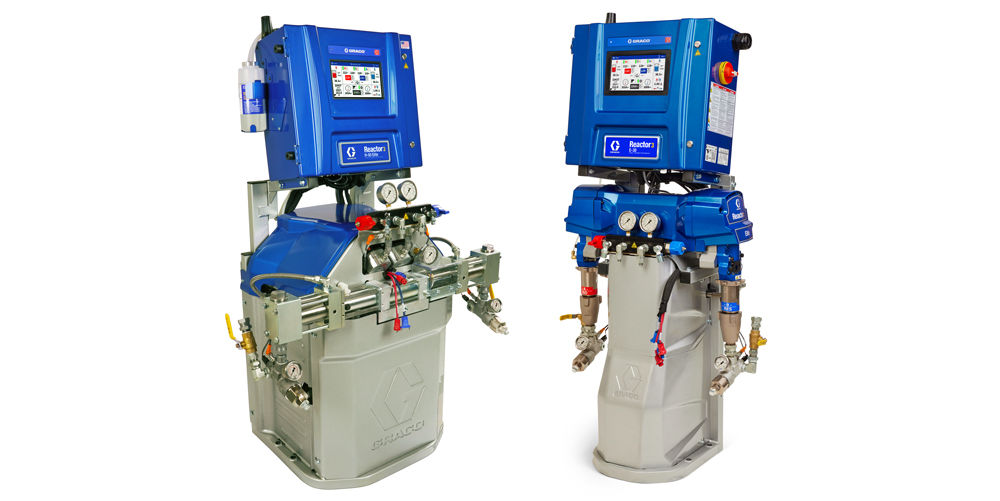
The Graco Reactor product line may be widely renowned for spray foam insulation, but contractors are often confused by the numerous models available. Names like Pro E-20, Elite E-30, and Pro H-50 are difficult to differentiate, and people may just choose the highest- output machine, lowest cost or basic machine assuming that it’s the best. However, bigger is not always better, and understanding the key differences across models is key to ensuring the foam machine chosen will satisfy your requirements for years. Choosing the wrong model can be costly.
Reactor model selection depends on many variables, including desired outputs, jobsite requirements, and predicted business growth. Bolair is a knowledgeable equipment advisor who’s here to answer all of your questions. Whether you’re a small, single-person operation or a large spray foam company, this guide will help you identify which Reactor-3 spray foam proportioner is right for your application.
Why Correct Reactor Selection Is So Important
The Reactor proportioner is the heart of the spray foam system, responsible for heating, mixing and spraying the two chemical parts of spray foam to ensure the best spray foam consistency. It’s important for contractors to know the differences in these systems to ensure they pick a Reactor that’s properly sized both in spray foam output and heat. Choosing a proportioner that’s too small will slow down production time if your projects require larger spray foam output such as commercial buildings and roofs. Choosing a proportioner that’s too big could result in wasted money.
Contractors should understand the specifications of Reactor equipment to decide which model is best for them. Flow rate and pressure contribute to output levels, and power methods (electric or hydraulic) should be selected depending on the job type and of course personal preference.
Electric vs. Hydraulic Reactor Proportioners
Graco offers two versions of its Reactor-3 proportioners to accommodate different contractors' needs and preferences. Reactor-3 electric proportioners can be configured for single-phase or three-phase power depending on the model and jobsite power availability. Reactor-3 hydraulic proportioners use a hydraulic drive system (direct-drive hydraulic pump) but still require electrical power for heaters, controls, and system operation.
Understanding Output Levels
Output is one of the major technical factors that spray foam techs should consider. It determines a spray foam proportioner’s production capabilities. Higher output means that more spray foam material comes out of the spray gun each second. To prevent excess foam application, contractors have to work faster. This speeds up the efficiency of the insulation process. The type of spray foam project most commonly performed should be taken into consideration. If spray foam roofs are of high importance then a larger output spray foam machine should be used over one used mostly for residential homes.
Output is measured as the maximum flow rate. Output is typically measured in gallons/minute or pounds per minute. The maximum flow rate is the hypothetical ceiling for production, usually only reached under perfect conditions.
Matching Reactor Proportioners to Business Stage
Knowing your business’s current stage and expected growth helps determine which Reactor is right for you. While it can be tempting to purchase the largest, most powerful machine, you want to avoid oversizing your spray foam equipment too early. Aim for a spray foam machine that matches your current workload, while also leaving room for expansion. Here’s a general guide to follow:
- Electric Reactors:
Electric Reactors are often a strong fit for residential crews, solo operators, and mid-sized contractors who want reliable output for everyday spray foam work. They are especially useful on projects where consistent performance, manageable power requirements, and easier setup are priorities. - Hydraulic Reactors:
Hydraulic Reactors are typically better suited for larger-scale projects, commercial applications, and contractors who need higher output and greater power independence. They can be a strong choice for crews handling demanding jobsite conditions or larger continuous spray volumes. - Choosing the Right System:
The best machine depends less on company size alone and more on the type of work being done. Many contractors use different Reactor models for different jobs, depending on project scale, material demands, output needs, and available power on site. - Commercial Projects:
The H-50 is the only practical solution for commercially-focused spray foam operation such as commercial buildings and roofsHigh output power and maximum hose lengths support the largest jobs.
Reactor-3 Model Comparison
| Model | Max Flow | Max Pressure | Max Hose Length |
|---|---|---|---|
| E-20 | 2 GPM (7.5 LPM) | 2000 psi (138 bar) | 220 ft (67 m) |
| E-30 | 3 GPM (11.4 LPM) | 2000 psi (138 bar) | 320 ft (98 m) |
| H-30 | 30 lbs (13.6kg) /min | 2000 psi (138 bar) | 320 ft (98 m) |
| H-50 | 54 lbs (24.5 kg) /min | 2000 psi (138 bar) | 420 ft (128 m) |
Features and Technologies of the Reactor-3 Platform
The main highlight of the Reactor-3 platform is its embedded technology. Reactor Connect provides real-time data and reports via cellular connectivity, allowing contractors to monitor productivity. Every element of the spray foam process can be controlled and adjusted through the proportioner’s software. Features include drum-to-gun intelligence, auto pressure balancing, and automatic fluid inlet pressure adjustments (if electric feed pumps are chosen).
Contractors who want all software features should consider the Graco Elite packages. The Standard and Pro packages have more affordable, stripped-down features.
Common Selection Mistakes Contractors Make
Buying a Reactor proportioner can be tricky, and many contractors run into mistakes when selecting their system. Some of the most common include:
- Relying on Peer Recommendations: Don’t just buy a machine that other contractors recommend. Get one that is directly designed for your production requirements.
- Under sizing: Under sizing a spray foam machine limits future growth.
- Oversizing: Ambitiously oversizing equipment can be a waste of money if production volume never grows to the predicted level.
- Ignoring Hose Planning: Contractors need to consider how long their heated hoses will be and buy a proportioner that supports this length.
- Ignoring Generator Capacity: Generators have power thresholds. Ensure your generator’s wattage and amperage will run your desired proportioner.
How Bolair Can Help You Size and Select Your Reactor System
No matter how much research you do, it can still be confusing to know exactly what Reactor-3 proportioner you need. Here at Bolair, we offer more than equipment sales. We’re a trusted consultant and advisor in spray foam purchasing decisions, and our knowledgeable team is on standby to help.
Talk with one of our experts and tell them your typical project size, the types of jobs you do, and how much you plan on growing. They’ll spend time comparing Graco’s models and recommend a proportioner that will never slow down production. Send us a message today to get started.
Frequently Asked Questions
What is the difference between Graco Reactor Electric and Hydraulic models?
Contractors select electric Reactors when they need versatility and advanced features without moving into a higher-cost hydraulic system. Electric spray foam machines offer excellent value for less than hydraulic machines. For contractors working at the highest production levels, Graco’s hydraulic Reactors deliver the most output, strength, and durability.
Which Graco Reactor is best for residential spray foam jobs?
Most residential jobs benefit from the Reactor E-20 and E-30. However, the hydraulic H-30 is also an excellent option.
Is a larger Graco Reactor always better?
Not necessarily. Larger Reactors can be overpowered for smaller jobs and can be underutilized, wasting investment.
Do Graco Reactors perform differently in cold Canadian climates?
Graco’s Reactors include robust heating and temperature controls designed to help maintain material temperature and excel in Canada’s cold climate.
Can I upgrade my Reactor as my business grows?
Many Graco reactor 3 systems can be upgraded down the road, however some upgrades may require hardware add-ons, not just software. You can’t, however, upgrade maximum output without buying a higher-powered proportioner.
What size generator is required for different Reactor models?
Consult one of Bolair’s technical experts to ensure your generator is sufficient for your desired Reactor model.
Please complete your information below to login.
Sign In
Create New Account