

Key Takeaways
- Compliance is critical: Follow CAN/ULC S705.1 S705.2 standards and use certified installers to ensure safe and legal spray foam applications.
- Safety first: Essential spray foam safety equipment includes a first aid kit, fire extinguisher, eyewash station, and PPE.
- Efficiency matters: Tools like Piranha Tools, foam scrapers, and spray foam release agents improve rig efficiency and crew productivity.
- Fire protection is mandatory: Ontario requires thermal barriers such as drywall or intumescent coatings to reduce fire risk.
- Bolair advantage: Bolair rigs are designed with built-in safety and efficiency features, making them a reliable choice for certified spray foam installers in Canada. Bolair spray rigs conform to CSA electrical standards, which is critical in helping to prevent unnecessary fire and risk.
Table of Contents
- Maintaining Regulatory Compliance
- Spray Foam Safety Equipment for the Entire Team
- Rig Safety Equipment You Need
- Safety Controls and Processes for Site and Equipment
- Piranha Tools Spray Foam
- Find a Safe and Efficient Solution at Bolair Today
- FAQ about Essential Spray Foam Crew Tools
Spray foam equipment is a robust set of tools used in construction, and your crew relies on it daily. The functionality of these systems and their safety are two of the biggest priorities that should always be on your mind.
There are countless products available that help make spray foam tools safer and more efficient for the job. From PPE to specialized manual tools from Piranha, equipping your operation with these devices can make the lives of your entire team easier. Here are some of the most sought-after spray foam crew tools used in the industry today, and some critical safety information that should always be followed in your organization.
Maintaining Regulatory Compliance
The Canadian government regulates spray foam to ensure that workers and the general population are protected. Most importantly, it helps ensure that the installation is performed correctly so that the home or building owner can gain the energy saving benefit of spray foam insulation. CAN/ULC standards S705.1 and S705.2 regulate medium-density (closed-cell) spray foam. S705.1 concerns the material composition of the polyurethane foam itself and has various testing parameters that must be met, including:
- Air Permeance
- Apparent Core Density
- Open Cell Content
- Water Absorption
- Water Vapor Permeance
S705.2 concerns installation. Application, quality control, documentation, safety protocols, and disposal must all be followed correctly. CAN/ULC standards S712.1 and S712.2 cover the same respective information, but for light-density (open cell) spray foam.
Certified Spray Foam Installers Canada
One of the best ways to ensure that your crew is trained to stay compliant is by achieving Canadiancertification. Working with a well recognized, professional spray foam manufacturer and equipment expert such as Bolair, will ensure you receive the best training and guidance on certification possible. Bolair wants you to succeed.
Spray Foam Safety Equipment for the Entire Team
Spray foam products pose many adverse health risks to equipment operators, particularly exposure to methylenediphenyl diisocyanate (MDI). This substance, found in spray foam, can cause respiratory issues, skin irritation, and carcinogenic exposure. As such, mitigating the exposure that your spray foam crew encounters is crucial.
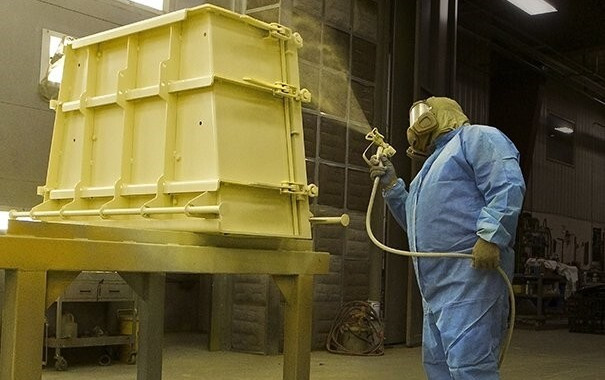
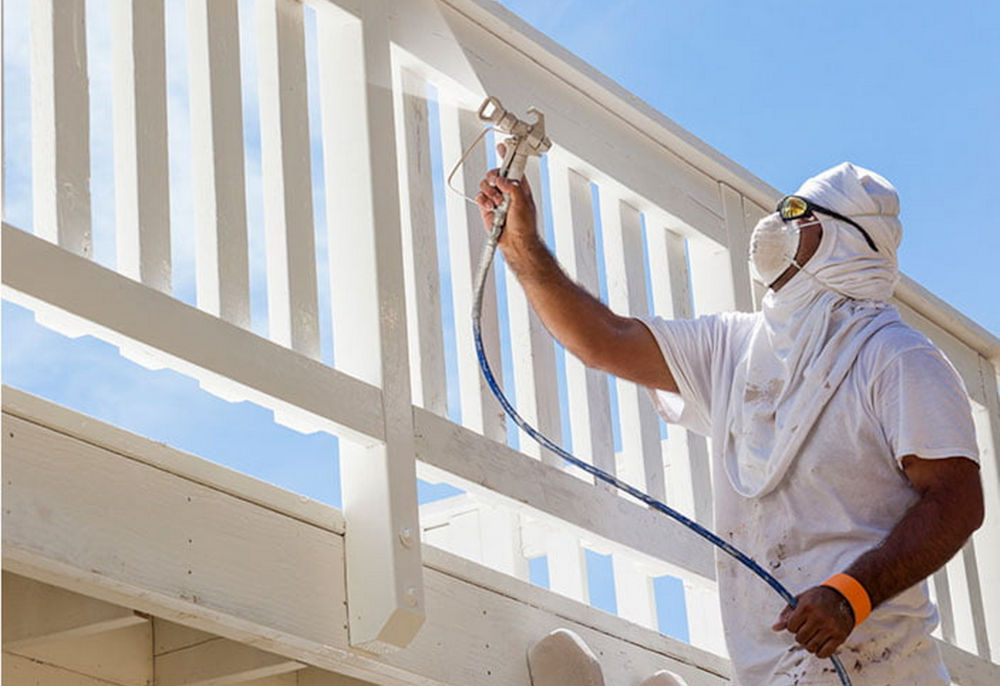
Personal protective equipment, or PPE, must be used at all job sites, and each spray foam technician should be provided with adequate protection at all times. Some examples of products that you should stock include respirators with external air supplies, chemical-resistant gloves, Tyvek suits, eye protection, and ear protection.
Rig Safety Equipment You Need
There are many tools that enhance the safety of spray foam rig use. By implementing these into your systems, you can ensure code compliance and worker safety. Here are a few product considerations and their uses:
| Safety Product | Function |
|---|---|
| First Aid Kit | Provides a quick, effective way to treat minor injuries like cuts and burns. First aid kit rig compliance needs to be followed. |
| Fire Extinguisher for Spray Foam Rigs | Extinguishers should always be at every job site. Provides a safety fallback in the case of accidental ignition. |
| Eyewash Station Spray Foam | Eyewash stations serve a critical purpose in keeping your workers safe and free from long-term harm if their eyes are exposed to polyurethane foam. |
| MSDS Safety Sheets | Material safety data sheets provide information to your team about what’s in the spray foam, the risks associated, and how to handle it correctly. |
| Emergency Shutoffs | Provide a manual override that your team can pull or push in the case that spray foam equipment begins to malfunction and operate in an unsafe manner. |
| Emergency Spill Kits | Having spill kits on hand in the spray rig can contain spills quickly. |
Safety Controls and Processes for Site and Equipment
The Canadian Centre for Occupational Health and Safety has found that many spray foam crews are not provided with the necessary protection, training, and tools that they need to avoid the health hazards of spray foam.
Besides code compliance, PPE, and rig safety equipment, there are many processes that can be followed to ensure a safe spray foam worksite. Some examples include:
- Restricted Workzones: Only allow individuals who are qualified and equipped with the correct PPE to enter the spray foam application area.
- Accessory Equipment: Consider installing equipment like mechanical ventilation, sealing intakes, safe drum bracing, and electrical conduit.
- Fire Protection and Thermal Barriers: The risk of fire is high with poorly handled spray foam. Comply with Provincial building codes to ensure that your building or workplace is not at risk. Thermal barriers like drywall and intumescent coatings can prevent ignition and fire spread.
- Post-Application Procedures: Make sure that the ventilation spray foam application standards are followed and that cleanup procedures are in place. Always give spray foam enough time to dry as well (24-48 hours).
- Overall Safety Culture: Your spray foam crew should be champions of safety. By investing in ongoing training, certification programs, and regular audits, you can make it clear to your team that their health and safety are the number one priority.
Piranha Tools Spray Foam
As important as safety is in the spray foam industry, most crews are just as concerned with efficiency. A quick, seamless application can help spray foam companies scale their operations and provide high-quality results that impress customers.
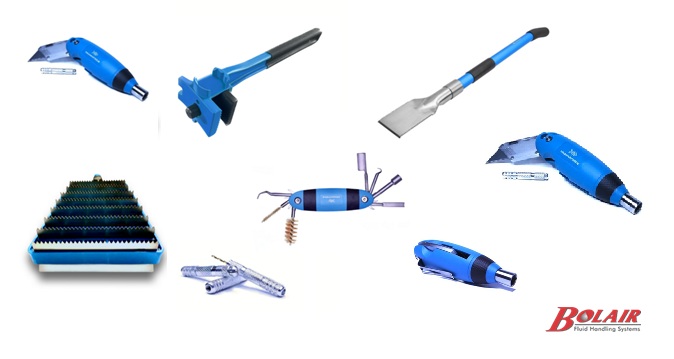
To help achieve this, Piranha Tools makes a few key products that spray foam technicians can use on a daily basis. Foam scrapers, multi-tools, and cleaning brushes can all help keep the equipment in tip-top shape and ready to perform. Other examples of products that are designed for efficiency include spray foam release agents, reliable power sources like generators, and heated hoses.
Find a Safe and Efficient Solution at Bolair Today
Obtaining flawless safety and maximum efficiency doesn’t have to be a balancing act. By following regulations, implementing safety protocols, providing PPE to your crew, and using products that are designed to improve technicians’ lives, you can have it all.
At Bolair Fluid Handling Systems, we’ll help you achieve that. Our spray foam insulation equipment for sale and spray foam rigs are equipped with built-in safety and efficiency features that will make your operation effortless. Plus, they’re compliant with all Canadian regulations. Reach out to one of our spray foam experts today to get started.
FAQ about Essential Spray Foam Crew Tools
Why are Piranha Tools important for spray foam applicators?
Piranha Tools are designed to help spray foam applicators maintain their equipment with efficiency and precision. From foam scrapers to multi-tools, they support rig efficiency spray foam by reducing downtime and ensuring smoother applications. Learn more about Piranha Tools.
What spray foam safety equipment is required by law on job sites?
Canadian standards require safety essentials such as a first aid kit rig compliance, a fire extinguisher for spray foam rigs, and an eyewash station spray foam setup. These protect workers from accidents and support compliance with CAN/ULC S705.1 S705.2.
What role does PPE play in spray foam crew safety?
Personal protective equipment (PPE) is essential for protecting workers from hazardous materials such as MDI. Crews should use respirators, gloves, goggles, and protective suits. High-quality PPE can be sourced from Bolair.
Why is certification important for installers?
Certified installers ensure that spray foam equipment use and the application of spray foam complies with national codes. Certification demonstrates that applicators are trained to follow safety and efficiency standards, making projects safer and more reliable.
What is the purpose of a thermal barrier Ontario spray foam installation?
Ontario building codes require thermal barriers to protect against fire hazards. Common options include drywall and intumescent coatings, which reduce fire spread and ensure compliance across residential and commercial projects.
Where can I find spray foam insulation equipment for sale in Canada?
Bolair offers spray foam insulation equipment for sale and custom spray foam rig setups designed with built-in compliance and efficiency features for Canadian contractors.
Please complete your information below to login.
Sign In
Create New Account