
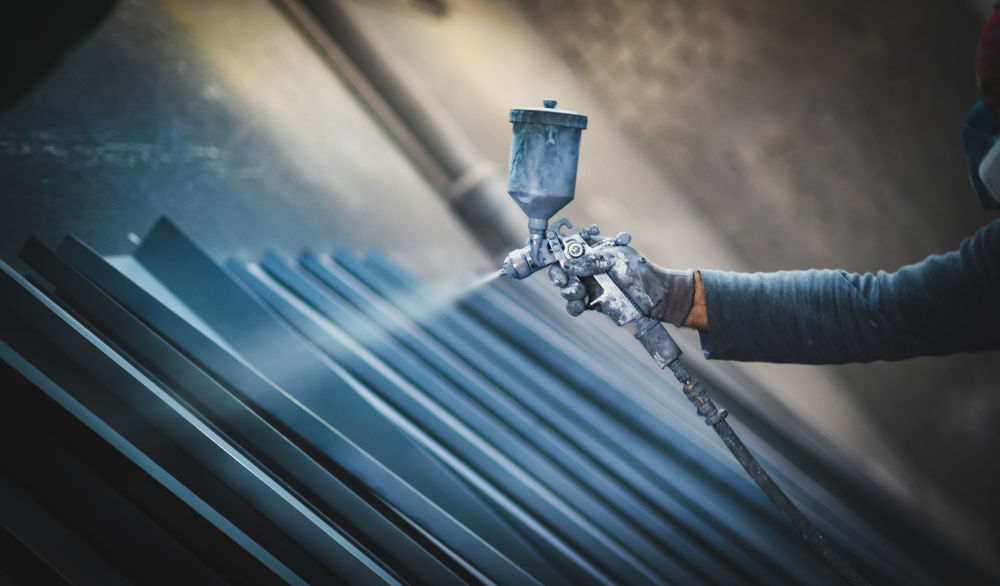

Spray coating viscosity affects how spray materials flow through the entire system. Thicker materials often need more heat, pressure changes, or setup changes to accommodate them and avoid spray quality problems. Always match your setup to the requirements of the material you’re working with.
Key Takeaways
- Higher viscosity materials need more pressure and higher temperatures in spray systems.
- Poor material temperature control can cause issues with spray quality.
- Equipment has to be set up and configured to match the requirements of the material.
- Always follow proper storage conditions when working with high viscosity spray materials.
- Store the material within the manufacturer’s recommended temperature range.
Table of Contents
- What Material Viscosity Means for Spray Contractors
- How Viscosity Affects Spray Pressure
- How Viscosity Affects Spray Pattern and Finish Quality
- Why Material Temperature Matters
- When Blanket Heaters and Agitation May Help
- Why the Same Equipment Can Perform Differently Across Materials
- Equipment Setup Variables That May Need Adjustment
- Common Viscosity-Related Mistakes Contractors Make
- Troubleshooting Spray Quality Problems: Material or Machine?
- How Bolair Helps Contractors Match Material, Pressure, and Equipment Setup
- FAQ About Material Viscosity and Spray Equipment Setup
What Material Viscosity Means for Spray Contractors
Put simply, viscosity is how thick a liquid is. Most spray materials start as liquids and are then atomized onto surfaces. Many sealants and adhesives are highly viscous, whereas many materials like paint are less viscous. The higher the viscosity of a material, the more slowly it moves. Oftentimes, when this type of material is cold, it fails to apply as effectively, and contractors have to adjust spray material viscosity through equipment changes.
How Viscosity Affects Spray Pressure
Generally, the thicker a material is, the more force that’s needed to move it through a spray system. This is where pressure comes into play. Viscous materials often require high pressure for proper atomization, but there are caveats to this. Technicians shouldn’t just increase their spray pressure settings to compensate for the materials. They need to understand the equipment’s limits and should base their decisions on material specifications.
How Viscosity Affects Spray Pattern and Finish Quality
When working with a highly viscous material, it’s important to follow the correct equipment setup so finish quality is not affected. Failing to do this can result in a range of problems, such as:
- Uneven patterns out of the spray gun.
- Poor texture that doesn’t dry fully.
- Slow output.
- Improper adhesion.
These problems are often related to material conditioning, but equipment issues can also contribute.
Why Material Temperature Matters
Overall, the material temperature is one of the most important considerations a technician should make. When you keep a viscous material at the manufacturer’s recommended temperature range, you prevent many of the issues listed above. If the material is too cold, it may not flow properly through the system. Occasionally, highly viscous materials need additional equipment in the setup to support these temperature requirements.
When Blanket Heaters and Agitation May Help
To help keep high viscosity materials at a stable temperature, you might need to use equipment like blanket heaters and agitators. Blanket heaters go over the material drums, keeping material warm until it’s pumped into the proportioner.
Agitation helps maintain consistency, reduce settling, and improve processability for some materials.
Why the Same Equipment Can Perform Differently Across Materials
Every material has different characteristics. Some have a higher solids content or lower temperature requirements. For these reasons, different materials will interact with spray equipment differently. You may have to change settings or change equipment entirely. It’s more important to understand the specifications of the materials you’re working with and make sure that their spray material viscosity is compatible with your equipment.
Equipment Setup Variables That May Need Adjustment
If you’re working a job that requires high viscosity materials, make sure that your equipment is calibrated for it. There are a few things that you’ll want to adjust to ensure that you get proper flow and spray quality:
- Spray Pressure Settings: Start pressure low and increase as needed until you get a full spray pattern.
- Temperature Settings: Blanket heaters help keep material within the recommended conditioning range.
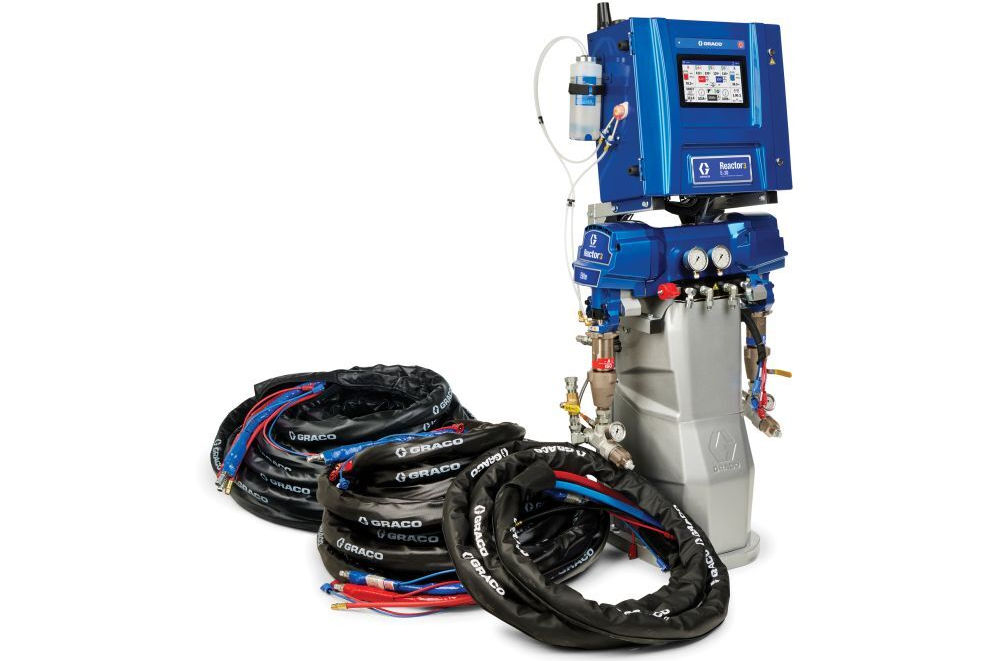
- Hose Temperatures: Use heated hoses to keep your spray materials at a consistent temperature throughout the spraying process. Avoid using hose lengths that are longer than your equipment can handle.
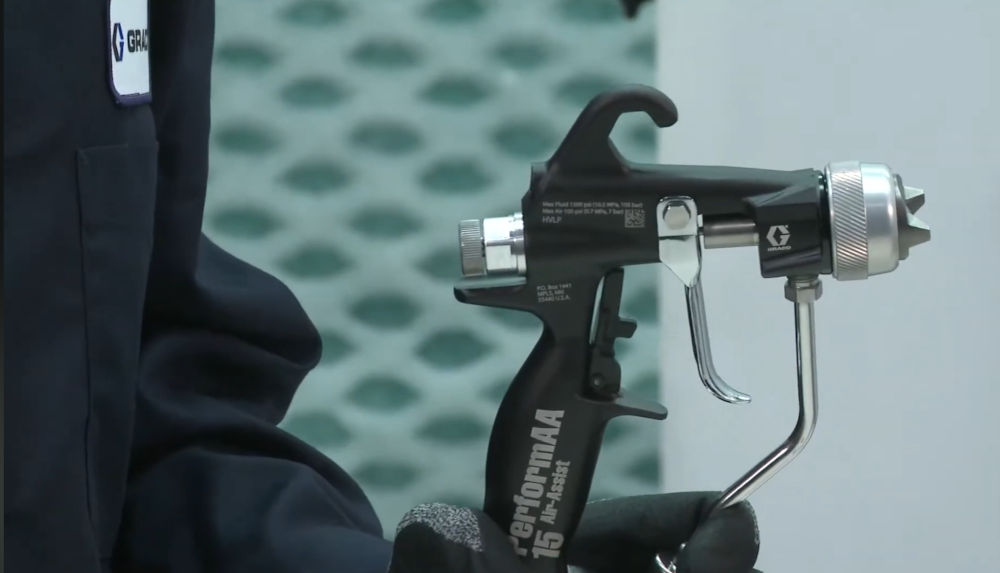
- Tip/Gun Selection: Gun/tip selection should match the material and manufacturer guidance.
Common Viscosity-Related Mistakes Contractors Make
There are a few common mistakes that spray technicians make when working with thicker materials. The first is storing material drums in too cold a location. Always keep them within the recommended temperature range when in use and don’t skip the pre-heating process; it’s extremely important.
Second is assuming that raising the pressure is enough to overcome viscosity challenges. Don’t ignore manufacturer guidelines.
Finally, don’t use the same spray gun for every setup. You should have multiple different tips for different viscosity materials. When things go wrong, don’t automatically assume it’s the equipment. Be sure to also check your material.
Troubleshooting Spray Quality Problems: Material or Machine?
Most technicians jump to machine problems first when they start having problems with spray patterns and adhesion. While machine and equipment should be checked, it is important to also check your material conditioning. Here’s a progressive checklist to run through when troubleshooting spray quality problems:
- Confirm material temperature is at the correct range throughout the system.
- Double-check storage conditions and make sure the material isn’t getting cold.
- Check heater settings. Are they turned up high enough?
- Is pressure stable and consistent throughout the system?
- Check filters for blockages.
- Check the condition of the spray tip or gun.
- Refer to manufacturer guidance.
- If the problem still persists, consider looking into equipment problems.
How Bolair Helps Contractors Match Material, Pressure, and Equipment Setup
Our professional team at Bolair has an in-depth understanding of material requirements, machine capacities, and hose and heat setup. If you’re struggling to get the right finish from high viscosity materials, we can help you figure out why.
We also provide a range of equipment and accessories to help you support your system and get the lasting results you need. Browse our inventory and contact us today with any questions.
Frequently Asked Questions
What is spray material viscosity?
Viscosity is the “thickness” of your spray materials. In scientific terms, it’s the measurement of its resistance to flow, often measured in centipoise (cP). The thicker a material is, the less freely it moves through a spray system.
How does viscosity affect spray quality?
Higher viscosity can make atomization and leveling more difficult, which can affect finish quality and film build if settings are not adjusted properly
Why does cold spray foam material cause problems?
Colder, high viscosity spray foam cannot move through a system smoothly, and they won’t be sprayed evenly. The system is more prone to clogs, and the material may not adhere to the surface correctly.
Do thicker coatings need more pressure?
Yes, generally thicker coatings need more pressure. However, it’s important that the material is adequately heated/conditioned beforehand. Raising pressure isn’t a single solution.
Can heater temperature fix viscosity issues?
Many viscosity issues are caused by improper temperature control, so fixing heater temperatures can definitely solve issues. It’s one of the first places to check when troubleshooting.
Why does the same sprayer perform differently with different materials?
Every material has different viscosities and characteristics. You’ll need to check the performance details of every material before using it, and change your setup if needed.
Please complete your information below to login.
Sign In
Create New Account