


Key Takeaways
- Pressure imbalances are often the most frequent issue in spray foam insulation jobs and are often due to dirty gun and machine filters and clogged fluid passages.
- Temperature control is essential for proper foam expansion, adhesion, and chemical reaction.
- Common issues include inconsistent output, pressure imbalances, clogged spray guns, and worn mix chambers and seals.
- Regular maintenance, including daily and monthly routines, can significantly reduce system failures.
- Professional help should be sought when electrical or proportioner problems persist.
- Bolair offers expert services, parts, and preventive maintenance for all spray foam equipment needs.
Table of Contents
- The Most Common Spray Foam Problems: Pressure Imbalances
- Spray Foam Temperature Control Problems
- Inconsistent Foam Output: Spray Foam Insulation Tips
- Spray Foam Gun Clogging: Causes and Solutions
- Pump and Hose Heater Spray Foam Insulation Troubleshooting
- Common Spray Foam Equipment Problems and How to Fix Them
- Spray Foam Machine Maintenance Checklist
- When to Seek Professional Help: Spray Foam Equipment Tips
- Frequently Asked Questions
- Final Considerations
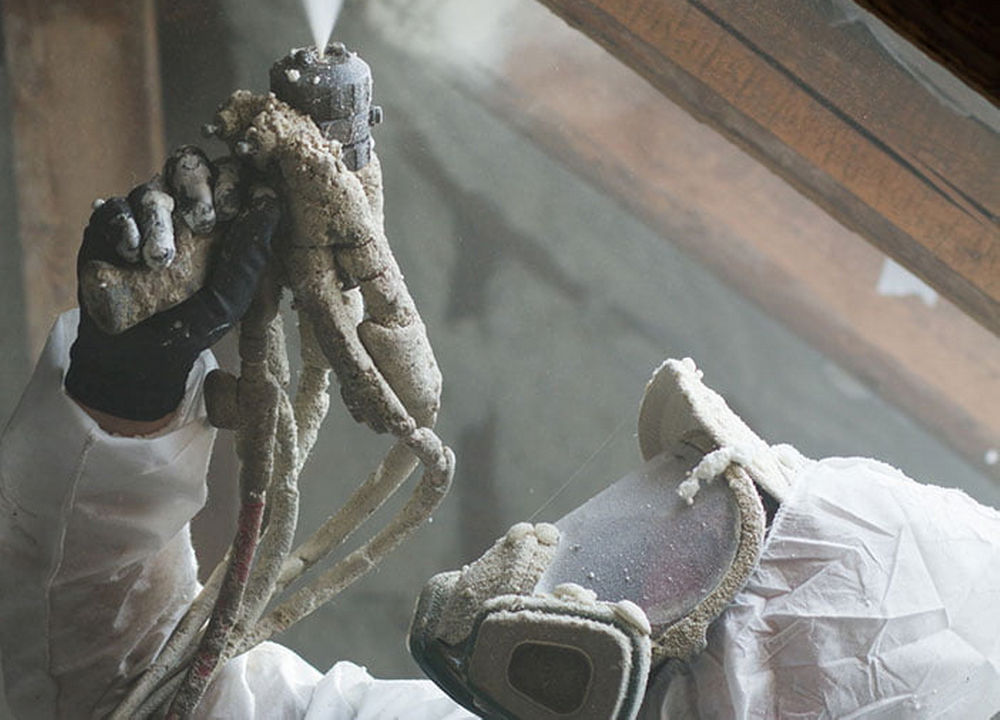
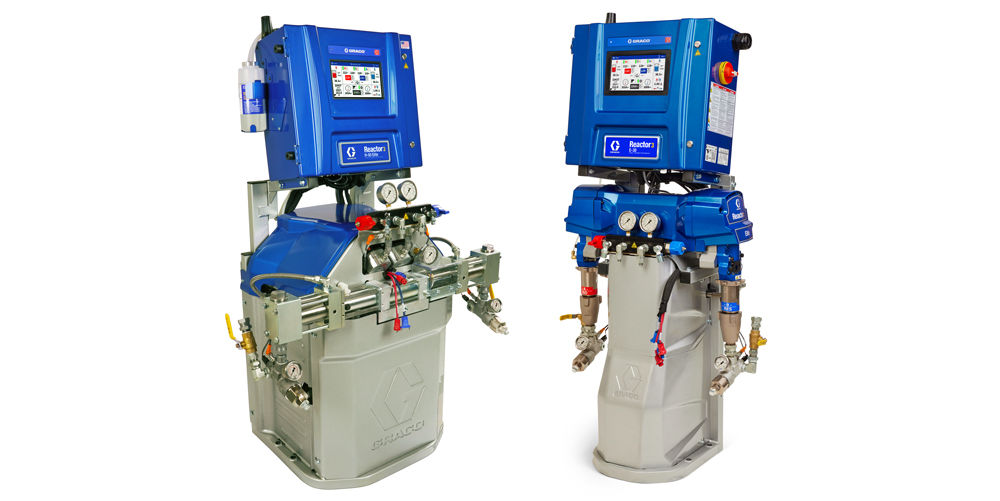
Spray foam equipment is the most important set of tools in a contractor’s arsenal. It is required to apply spray foam insulation by providing an on-demand mix at the gun of plural component materials that’s automatically monitored to the right temperature and pressure. The auto monitoring will trigger a machine shutdown if required to prevent continued off ratio spraying and job redo’s.
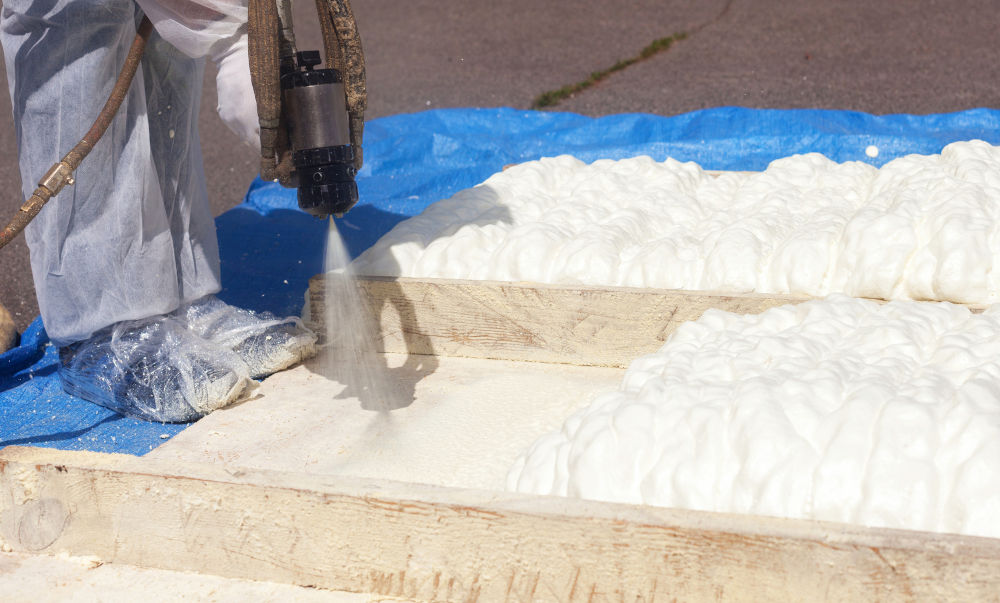
However, there are spray foam insulation application problems that can occur in both open-cell and closed-cell foam systems. When these issues are handled quickly and equipment is maintained to the highest standards, downtime is minimized and spray jobs can complete on schedule. Issues can often be observed by the appearance of the foam sample that was sprayed. It could be a result of the material itself prior to being mixed but most often it is an equipment issue. Below, we’ll discuss the most common problems of a spray foam system, how you can resolve them, and how you can prevent them in the first place with regular maintenance.
The Most Common Spray Foam Problems: Pressure
Most of the time, problems with spray foam insulation have to do with pressure imbalances between the A and B materials. Pressure imbalances can result in more or less of one material coming in contact at the gun with the other material, causing off ratio spray foam. This can result in a poor spray pattern, foam that doesn’t stick to the wall and slow rising foam. Fortunately, well maintained spray foam machines can alert the user and shutdown, preventing the continued spray of off ratio foam.
Causes of Foam Machine Pressure Problems and Their Solutions
Most pressure problems are straightforward. They’re often caused by dirty/clogged filters, worn mix chambers and side seals or equipment setting such as heat. There are a number of other causes which Bolair would be glad you help you with.
To resolve these problems with foam insulation applications, make sure that your material supply pumps and proportioners are set up properly and are maintained. Think about it as you would your car. When it is looked after, serviced and maintained it will provide year upon year of use and revenue generation. Clean or replace inlet filters and gun screens, check for issues with the heated hose and ensure that there are no broken heat trace wires or connections. Use original replacement parts in the spray gun to ensure that your o’rings and seals last and do not break during a spray job.
Spray Foam Temperature Control Problems
Proper temperature ensures that the plural component materials can flow well through the system and mix correctly in the mix chamber of the gun, that the spray foam expands correctly, and that it adheres well. Some of the main signs to look out for include a foamy or marshmallow-like texture and poor adhesion to the cell structure.
Causes and Solutions
Pressure imbalances in spray foam application equipment could indicate that the hose heat settings are not set correctly. Sometimes, temperature issues can be caused by broken sensors or wires or control boards. It is a good idea to check the proper functioning of these and inspect heated hoses for breaks on a regular basis.
To resolve these problems, consider the following solutions:
- Using Heater Controls and Thermocouples to Control Spray Foam Temperature
- Insulated Spray Foam Hoses for cold Canadian weather climates.
- Use Bolair’s custom insulated hose jacket to protect your investment and to maintain hose heat temperature.
Inconsistent Foam Output: Spray Foam Insulation Tips
It’s not normal for your spray foam machine to spray foam in irregular patterns. If it does, something needs adjusting. Some examples of this can include uneven spray patterns, sudden bursts of foam, or foam that stays liquid in some areas or brittle. Ensuring the fluid pressure is set to the correct level is key to aiding in the proper spray foam results.
Causes of Output Issues and Expert Solutions
Some causes of output issues: excess air trapped in a supply system to the proportioner, clogs, improper mix chamber size and equipment that needs packing replacement and servicing. Cavitation occurs when air gets into the supply pump line, making the foam come out in spurts. Clogs can occur anywhere in the system and may result in blocked lines. Check valves can become faulty over the years and will need to be replaced.
To resolve these spray foam issues, consider purging the lines to bleed air out of the system if you start to notice a weird output, especially when you replace material drums or run out of supply material. You should never allow the drums of A and B to run empty as the aforementioned issue could occur but damage to the supply pump could also occur. You could use the counters on the main proportioner to tell you when it is time to change certain things such as inlet filters, packings, seals and more.
Spray Foam Gun Clogging: Causes and Solutions
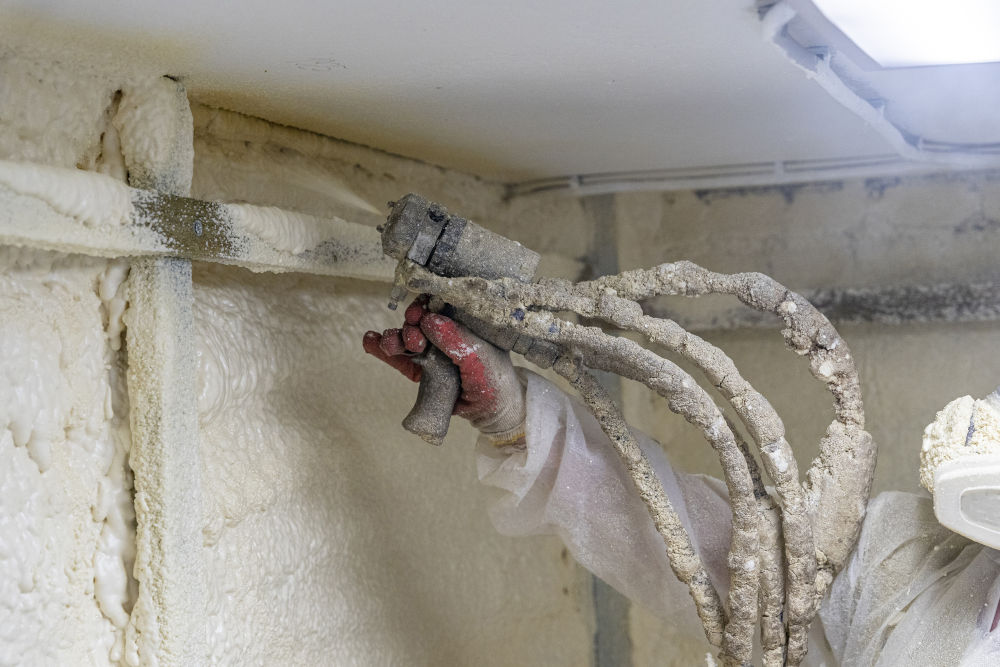
It is common that a plugged mix chamber in the spray gun can cause issues with spray foam insulation applications. This could be caused by dirty inlet filters, contamination in one of the material drums or moisture in the compressed air to the gun as that air cleans the mixed material from the mix chamber. To avoid this, make sure to clean your gun tips and mix chambers frequently and follow the proper shut down procedures and overnight storage of the gun.
Clogs can also sometimes be caused by an imbalance in mixing. Always ensure that you’re on top of ensuring you have properly balanced pressures.
Pump, Hose and Heater Troubleshooting - Spray Foam Insulation
Issues with spray foam insulation hoses and pumps can have a range of negative effects. If the hose is not heating properly, the material temperature could be too cold to properly adhere and expand on the surface. If you’re having spray foam heating issues, check for continuity along the heated hose, and replace any faulty hoses or components as needed.
Continually check your proportioning equipment pumps for proper functioning. If leaking around the rod, it is usually a sign that packings need replacing. If material is stuck in one of the pump ball checks that too can cause cavitation issues and off ratio spraying. Remember to listen and watch your proportioner. If it was supplied by a reputable equipment company, it would have the proper alerts and automatic monitoring of the system.
Common Spray Foam Equipment Problems and How to Fix Them
| Problem | Symptoms | Possible Causes | Recommended Solution |
|---|---|---|---|
| Pressure imbalance | Uneven spray, poor ratio, clogging | Dirty filters, faulty pumps, air leaks, clogged mix chambers | Check pumps, replace filters, check for leaks, clear ball checks, ensure material supply in drums is sufficient |
| Temperature issues | Foamy texture, poor adhesion, rigid foam | Incorrect hose heat, broken sensors, incorrect temp settings | Calibrate heaters, insulate hoses, fix sensors |
| Inconsistent foam output | Bursts of foam, too wet/dry, uneven coverage | Cavitation, clogged lines, faulty check valves | Purge lines, replace valves, monitor stroke count |
| Spray gun clogging | Foam not dispensing or splattering | Improper shutdown, dirty mix chamber | Clean gun after each job, correct chemical ratio |
| Pump and hose heater issues | Cold foam, air pockets, cavitation, strange noises | Faulty thermistors, heating cable failure | Check continuity, lubricate pump, replace parts |
Spray Foam Machine Maintenance Checklist
While there are many challenges with resolving bad spray foam insulation problems, the best course of action that you can take is to follow a regular maintenance schedule. Maintenance keeps your system’s components in great condition and allows you to replace parts before they fail. Follow the maintenance schedule below to avoid troubleshooting spray foam insulation issues in the first place.
Spay Foam Equipment Maintenance Schedule
| Daily | Weekly | Monthly |
|---|---|---|
|
|
|
When to Seek Professional Help: Spray Foam Equipment Tips
If the issues are beginning to become too complicated for jobsite troubleshooting, you’ll want to consider contacting a service provider like Bolair. In addition to repairs, partnering with a team like ours can also ensure that your maintenance schedule is being completed. Some of the main signs of needing professional assistance include:
- Electronic Control Failures
- Frequent Ratio Alarms
- Repeated Pressure Drops
Frequently Asked Questions
1. Why is my spray foam machine losing pressure?
Pressure loss within a spray foam machine is normally caused by system blockages or worn pumps.
2. How can I keep spray foam components at the right temperature?
Performing frequent continuity checks of hoses and replacing thermostats can help maintain the temperature regulation of your system.
3. What causes inconsistent foam application?
Inconsistent application can be caused by a bad material mixture and cavitation.
4. How do I fix a clogged spray foam gun?
Clogged spray foam guns can be easily fixed by having clean filters on the pump inlets, clean and non damaged mix chambers and side seals and clean dry compressed air.
5. How often should I perform maintenance on my spray foam rig?
Maintenance should be completed often. Consider following a daily, weekly, and monthly regimen.
6. When should I call in a professional technician?
Professional technicians should be called whenever issues are too complicated for an on-site repair. These include electrical issues and persistent errors.
7. What is cavitation and how can I avoid it?
Spray foam pump cavitation is when air and moisture pockets get into the system. It can be avoided by keeping material levels high enough to be pumped and regularly maintaining your pumps for smooth performance.
Final Considerations
Spray foam machines are technical devices that will inevitably encounter issues that need troubleshooting. Understanding what these issues are, their causes, and their solutions can help you as a technician achieve better spray foam results and performance.
At Bolair Fluid Handling Systems, we can help you devise a maintenance schedule that works for your operation. Our professional service and top-rated spray equipment products will keep your system in great shape. Contact us today to get started.

Validate your login
Sign In
Create New Account