

Personal protective equipment (PPE) is essential, but requirements for protective coatings work are not the same on every jobsite. They can vary depending on the coating material, Safety Data Sheet (SDS), manufacturer instructions, application environment, province, local regulations, and site-specific safety plan.
For that reason, coatings contractors should treat PPE as one part of a broader planning process rather than a universal safety solution. Before spraying, crews should review the SDS, confirm supplier requirements, assess ventilation and access needs, inspect equipment, and follow any applicable provincial or jobsite-specific procedures. This article provides a high-level planning overview and should not replace manufacturer guidance, regulatory requirements, or a qualified safety assessment.
Key Takeaways
- PPE is important, but requirements vary by coating material, SDS, and jobsite conditions.
- Ventilation, containment, and access control should be reviewed based on the specific product and application environment.
- Some coatings may require basic PPE, while others may require more advanced controls or approved safety plans.
- Equipment hazards such as pressure, heat, leaks, and hose issues should be considered before application begins.
- SDS review, supplier guidance, worker training, and local regulations should guide the safety planning process.
- Strong spray coating jobsite safety practices depend on coordination between the contractor, supplier, safety lead, and site requirements.
Jobsite Planning Consideration Matrix
The examples below are not universal requirements. They are planning considerations that should be confirmed against the coating manufacturer’s SDS, jobsite conditions, supplier guidance, and applicable provincial or local regulations.
| Hazard | Why PPE Alone Is Not Enough | Engineering / Administrative Control |
|---|---|---|
| Inhalation exposure | Respirators can fail if not fitted or used correctly | Mechanical ventilation, exhaust systems, air monitoring |
| Skin contact | PPE can tear, degrade, or be worn incorrectly | Proper material handling, glove change protocols, wash stations |
| High-pressure hose/gun risks | PPE does not prevent injection injuries | Pressure regulation, equipment inspection, safe handling procedures |
| Leaks and spills | PPE does not stop environmental contamination | Spill kits, containment systems, response procedures |
| Confined or low-ventilation spaces | PPE alone cannot ensure breathable air | Ventilation planning, confined space protocols |
| Untrained bystanders | PPE is not worn by unauthorized personnel | Restricted zones, signage, barriers |
| Equipment failure | PPE does not prevent mechanical injury | Preventive maintenance, pre-use inspections |
Why PPE Alone Is Not a Complete Protective Coatings Safety Plan
A common mistake is assuming PPE requirements are the same for every protective coatings job. In reality, the correct approach depends on the coating chemistry, SDS, application method, ventilation conditions, and local jobsite requirements. PPE should be selected as part of a broader site-specific plan, not applied as a one-size-fits-all solution.
In some coating applications, inhalation, skin contact, or sensitization risks may be a concern. In others, the required controls may be more limited. The key is to confirm the actual risk profile before work begins by reviewing the SDS, manufacturer guidance, and applicable provincial or site-specific requirements. A complete protective coatings safety approach focuses on controlling the environment, not just protecting the worker.
What PPE Does - and Does Not - Protect Against
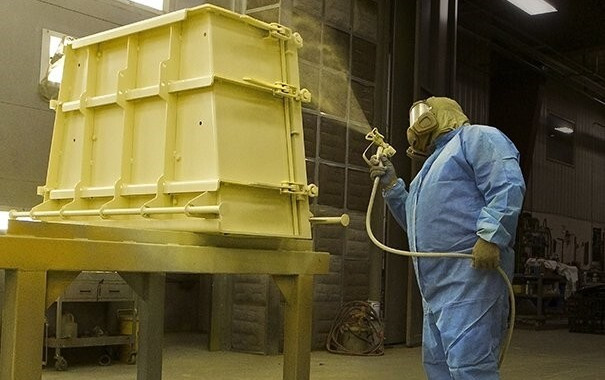
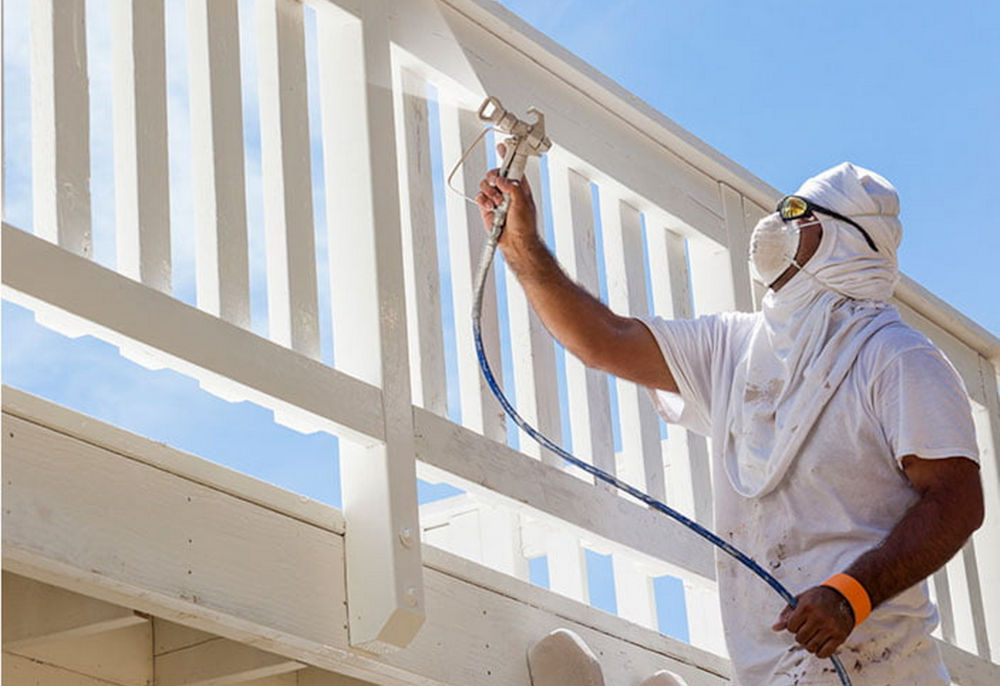
PPE helps reduce direct exposure by protecting the lungs, skin, and eyes from contact with coatings, vapors, overspray, or handling risks where those hazards are present. The right PPE should be selected based on the SDS, product type, application method, and jobsite conditions.
However, PPE does not replace proper planning. Depending on the coating and environment, crews may also need to review ventilation, containment, access control, equipment setup, and re-entry procedures. These requirements should always be confirmed before application begins. That’s why safety planning for reactive coatings like polyurea should follow the product SDS and manufacturer instructions, and align with applicable provincial/territorial OHS requirements and site rules — combining hazard controls (like ventilation/containment and procedures) with PPE as one layer of the overall plan.
Review the SDS and Material Handling Plan Before the Job Starts
Every coating system has its own handling, exposure, and application requirements, and those details should be reviewed in the Safety Data Sheet (SDS) before work begins. The SDS helps crews understand what type of PPE, ventilation, storage, handling, cleanup, and first-aid procedures may apply to that specific material. This includes chemical composition, exposure risks, required PPE, first-aid measures, and handling instructions.
A solid material handling plan should cover:
- Proper labeling and identification of all containers
- Safe storage conditions (temperature, separation of incompatible materials)
- Controlled transfer procedures to avoid spills or contamination
- Spill response protocols and available cleanup materials
- Waste handling and disposal requirements
Before opening containers or pressurizing equipment, the crew should be briefed on the plan. This is a core part of safe coatings work — ensuring everyone understands the hazards and the procedures in place by reviewing the SDS, manufacturer instructions, and any site/provincial requirements before pressurizing equipment.
Ventilation, Containment, and Restricted Access on Active Jobsites
Ventilation requirements can vary significantly depending on the coating material, SDS, spray environment, and local rules. Some applications may only require basic controls, while others may require mechanical ventilation, containment, air monitoring, or work in a controlled environment. Containment measures, such as barriers or enclosures, help keep overspray and fumes within the designated work zone.
Access control is just as important. Access control should also be reviewed before spraying begins. Depending on the material and site requirements, this may include limiting access to trained personnel, using signage or barriers, and confirming when re-entry is appropriate after application. Strong spray coating jobsite safety practices prioritize both worker and bystander protection through clear boundaries and airflow management.
Special Considerations for Confined or Poorly Ventilated Areas
Confined or poorly ventilated spaces may increase exposure risks and may trigger additional safety requirements depending on the material, site, and province. Limited airflow allows vapors to accumulate quickly, raising the potential for both inhalation hazards and unsafe atmospheric conditions. These environments require additional planning before work begins.
In these situations, contractors should follow the SDS and site requirements and confirm whether additional controls are required — such as ventilation planning, atmospheric monitoring where applicable, confined-space procedures, or added training/oversight — based on the jurisdiction and hazard assessment. Following polyurea safety guidelines in these situations often means using enhanced controls and, in some cases, specialized training or oversight.
Equipment-Related Safety Risks Crews Often Overlook
Coating equipment introduces risks beyond chemical exposure. High-pressure hoses and spray guns can cause serious injuries, while heated lines and electrical systems add additional hazards. Leaks or blockages can create sudden and dangerous situations if not handled properly.
Routine inspection and maintenance are essential to prevent these issues. Crews should check hoses, fittings, and power systems before each use and address problems immediately. A strong protective coatings safety plan treats equipment as a key risk factor, not just a tool.
Crew Training and Daily Safety Routines
Daily routines help ensure safety plans are consistently followed. Pre-job briefings, equipment checks, and PPE readiness all play a role in preparing the crew for safe operations. Workers should understand their responsibilities and know how to respond to potential hazards. Cleanup, decontamination, and end-of-day housekeeping are equally important. Maintaining organized work areas and properly handling used PPE reduces ongoing exposure risks. Consistent routines are a core part of effective spray coating jobsite safety.
Safety Guidelines and Compliance Basics
A practical starting point is making safety information accessible and understandable. SDS documents should be available on site, and crews should understand the hazards and handling instructions associated with the specific coating being used. Contractors should also check applicable provincial occupational health and safety requirements, local rules, and jobsite-specific procedures. Where relevant, contractors can use CCOHS compliance resources as a general reference, but final requirements should be confirmed against the specific material, province, and jobsite. Training should be documented and regularly reinforced.
Additional requirements may include respirator programs, controlled access to spray areas, and adherence to manufacturer instructions. These fundamentals form the backbone of safety guidelines, helping ensure consistent and safe jobsite practices.
Common Mistakes That Increase Exposure and Liability
One common mistake is assuming that fast-curing coatings are automatically safe for immediate re-entry. Depending on the material and environment, ventilation, cure time, and re-entry requirements may still need to be confirmed through the SDS, supplier guidance, and site safety plan. Skipping ventilation planning or allowing early re-entry increases exposure risks significantly. Other issues include storing contaminated PPE improperly, neglecting equipment checks, and relying on habit instead of written procedures.
Avoiding these mistakes helps contractors build more consistent spray coating jobsite safety routines without overgeneralizing requirements that may vary from one project to another.
How Bolair Supports Safer Coating Operations
Bolair helps contractors select equipment systems that support safer, more reliable coating applications. This includes matching pumps, hoses, and spray guns for compatibility and performance, reducing the likelihood of leaks, failures, or unsafe operation.
While equipment alone cannot replace a site-specific safety plan, the right setup can help contractors work more consistently and reduce equipment-related issues such as leaks, pressure instability, poor hose compatibility, or unsafe handling conditions. Contractors looking to improve protective coatings safety can benefit from choosing systems designed with both performance and safety in mind. Contact us today to learn more about our equipment and PPE products.
Frequently Asked Questions
Is PPE enough?
PPE may be one part of the safety plan, but requirements depend on the specific system, SDS, application conditions, and local regulations. Contractors should always confirm PPE, ventilation, access control, and re-entry requirements before work begins.
Why does ventilation matter in protective coatings work?
Ventilation may be required when the SDS, coating type, or jobsite conditions indicate airborne exposure risks. Requirements can vary widely, so contractors should confirm ventilation needs with the product supplier, SDS, and site safety plan.
What should contractors review before spraying protective coatings?
Contractors should review the SDS, manufacturer instructions, jobsite conditions, equipment setup, PPE requirements, ventilation needs, access control, and any provincial or local safety requirements that apply to the project.
What equipment issues should crews check before a coatings job?
Crews should inspect hoses, fittings, spray guns, pumps, heated lines, pressure settings, and general housekeeping before application. Equipment checks do not replace a safety plan, but they can help reduce preventable jobsite issues.
How should crews handle access control and re-entry?
Access control and re-entry procedures should be based on the SDS, coating type, site conditions, and local requirements. Depending on the job, this may include signage, barriers, restricted zones, ventilation time, or confirmation from the site safety lead.
Please complete your information below to login.
Sign In
Create New Account