
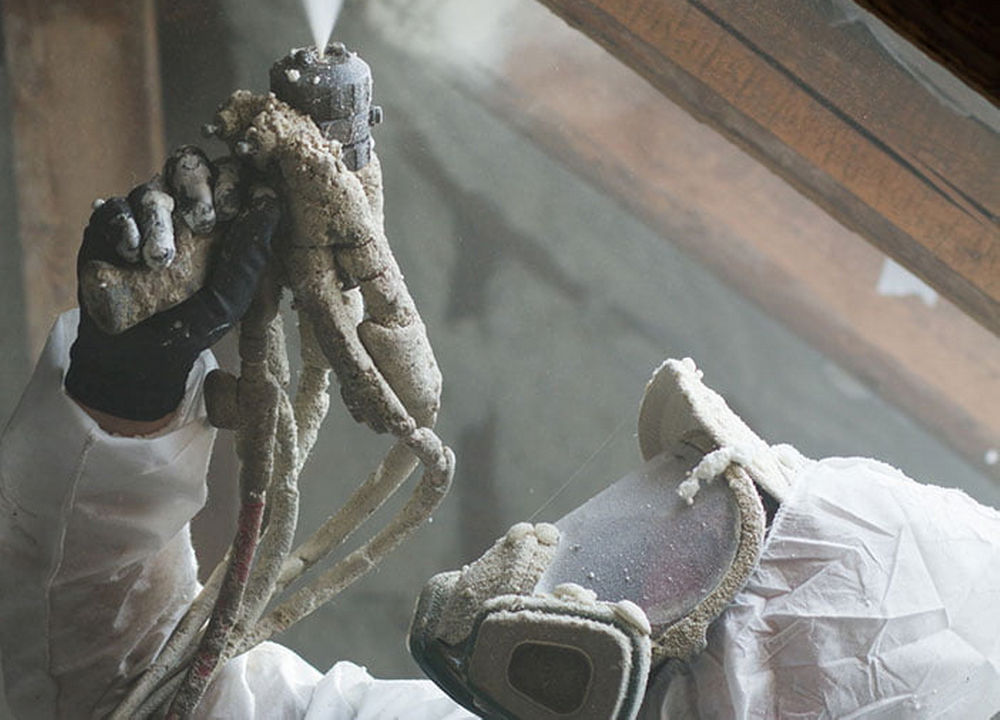

Choosing the right spray foam system size is about more than the number printed on a proportioner’s spec sheet. The best fit depends on how your crew actually works day to day. Factors like hose length, temperature stability, consistent pressure, the number of installers on site, and how much material you process in a typical shift all influence performance. Matching your setup to realistic spray foam output requirements and the machine’s spray foam hose length limits makes the difference between steady production and frustrating downtime. A machine's max output is a ceiling that may not be reached in real world conditions.
Key Takeaways
- Don’t size by output alone. Evaluate the entire setup and crew pace.
- Size for the longest normal job, not the easiest or smallest.
- Factor hose length, power supply, and heating into every sizing decision.
- Avoid overspending on oversized gear unless bigger projects are becoming routine.
- Consider spray foam hose length limits before extending runs beyond what the system supports.
- Work with your supplier to right-size the full system, not just the proportioner.
System Sizing Quick-Reference Table
| Output Class | Common Use Case | Common Machines |
|---|---|---|
| Entry to Mid-Class Electric | Residential insulation, small to mid-size spray foam jobs, touch-ups, basements, renovations | Graco Reactor E-10, Reactor A-25 |
| Mid to Upper-Mid Electric | Higher-volume residential work, larger homes, multi-room projects, contractors scaling job volume | Graco Reactor 3 E-20, Reactor 3 E-30 |
| Hydraulic High-Output | Large residential projects, commercial insulation, higher-production spray foam work | Graco Reactor 3 H-30, H-50, Reactor 2 H-40, PMC PH-25 |
What Spray Foam System Sizing Actually Includes
When we talk about spray foam system sizing, it’s not just about rated output. It’s about pairing output with the other elements that determine whether the machine can keep up on site. True sizing covers:
- Output rate and duty cycle
- Heating capacity for the proportioner and hose
- Maximum usable hose run and pressure stability. Be sure to check the specific machine model for maximum hose length supported.
- Power supply (generator or shop power)
- Transfer pumps and feed line setup
- Crew workflow, job turnover, and material flow rate
In simplest terms, “sizing” your system means matching every component to how your crew actually works, not just choosing the biggest and most powerful machine.
Why Machine Output Alone Is a Poor Sizing Method
A common mistake is choosing by output alone. A high-output machine can still feel slow or inconsistent if it’s running past its spray foam hose length limits, using unconditioned drums, or paired with a generator that can’t maintain stable power. Even experienced crews run into delays when hose heat can’t keep up, or when pressure fluctuates at the spray gun because they’re trying to push material farther than the system was built for. Proper sizing considers heat, hose, and workflow just as much as pump capacity. The proportioner's max output is not the same as your daily spray rate - your spray guns mix chamber and job conditions often set the practical output.
Start with Job Type and Spray Foam Output Requirements
Every contractor’s mix of jobs drives their spray foam output requirements. A crew residential team might spray two small spaces daily, while a commercial team might work continuously for hours.
- Small retrofits or attics: lower output needs, shorter sets, fewer drum changes.
- Whole-home insulation: medium production pace for steady coverage with consistent foam quality.
- Large custom homes or metal buildings: higher daily throughput goals and sustained heating for long, continuous passes.
- Industrial or roofing work: highest-demand environments needing both output and endurance under long hose runs.
Output decisions should follow your most common job types. Don’t base it on the rare, large contracts that come along once or twice a year.
Open-Cell vs. Closed-Cell Changes the Sizing Conversation
Open-cell and closed-cell can feel very different on the gun, but requirements vary by formulation. In general, closed-cell products often demand tighter control of processing temperature, pressure, and substrate conditions — and both foam types should always be run to the manufacturer’s application guide for that specific product.
How Hose Length Changes What System You Need
One of the most overlooked factors in performance is hose length. Every additional foot of hose affects heat retention, and startup times. Once you extend past a proportioner’s designed spray foam hose length limits, pressure and temperature start to drop. This is especially true in cold conditions. For example, Graco publishes model-specific maximum heated hose lengths (e.g., Reactor 3 E‑30 lists up to 320 ft), so hose planning should start by checking the specific proportioner’s spec sheet.
That means slower material response, uneven spray patterns, or wasted foam if temps dip below target. Contractors should plan equipment for their longest realistic hose run, not the short indoor jobs. Quality heated hoses and well-insulated wraps also help sustain peak temperature along the full run.
Plan for the Longest Real Job, Not the Average Easy One
Many contractors size their rig for average jobs and end up finding themselves stretched thin when a large building or multi-level structure appears. Instead, plan for realistic challenges: multi-zone access, remote walls, outdoor winter work, and long hose reaches. Staying within spray foam hose length limits ensures steady heat and pressure without pushing the machine too hard.
Crew Workflow Determines Whether More Output Helps or Hurts
Even top-tier equipment can underperform when the workflow can’t keep up. Spray foam system sizing must consider team coordination, not just machine specs.
If drum changes take too long, hose warm-up starts late, or helpers can’t stage materials fast enough, a high-output rig will spend much of the day idle. On the other hand, well-staged crews with consistent material flow can see productivity soar with a properly matched system. The best sizing choice complements how the team works by balancing capacity, pace, and downtime prevention. If your crew can’t consistently feed, stage, and spray, higher-capacity equipment won’t translate into faster installs.
Common Sizing Mistakes That Cause Downtime or Waste Money
Contractors often learn the hard way that improper sizing leads to inefficiency and frustration. Common mistakes include:
- Buying too small for standard hose runs, leading to constant heating or pressure issues.
- Investing in oversized machines that never approach full output.
- Ignoring generator or compressor demands required by higher-output models.
- Adding hose beyond spray foam hose length limits.
- Focusing only on peak projects rather than everyday workflow.
Sizing accurately means looking at the whole system, not just a marketing number on a spec sheet.
Right-Sized, Undersized, or Oversized? How to Tell
You can often tell by the crew’s rhythm and job pace:
- Undersized: Crews are waiting for recovery or material flow, and guns feel inconsistent by day’s end.
- Oversized: Equipment idles more than it runs, and small jobs never use full capacity.
- Right-Sized: Output matches job demand, hose heat stays stable, and crew pacing feels natural.
When spray foam system sizing is dialed in, the proportioner, hoses, material, and operators all stay in sync without forcing the equipment or the people.
When It’s Time to Move Up a Size Class
Eventually, real job demands may outgrow your rig. That’s when it’s time to evaluate whether a larger system with greater spray foam output requirements is justified. The signal isn’t occasional large jobs; it’s repeated limits:
- Consistent long hose runs where heat margins are tight.
- Recurring commercial or multi-crew projects.
- More expensive downtime or waiting time that eats profit.
- Needing more stable heat/pressure under heavier workloads.
Moving up should follow your business pattern, not pride or rare jobs. Upgrade when the work truly demands it — not before.
How Bolair Helps Contractors Size the Complete System
Bolair specializes in helping contractors look beyond the nameplate to design the right full-system solution. Their team evaluates your spray foam system sizing needs based on output, heating, power, hose length, and field workflow. They can suggest the right proportioner, spray foam hose length limits, pump setup, and gun combination for reliable, efficient production.
Whether you’re configuring your first rig or optimizing for faster crews, Bolair helps build systems that match real-world conditions. Ready to plan your next rig? Contact Bolair for a customized recommendation.
Frequently Asked Questions
What size spray foam machine do I need?
You need a machine that meets your typical daily material use and hose run. Start from your most common jobs, not rare large ones.
Does higher output always mean faster jobs?
No. Higher output helps only if your hose heating, power supply, and crewing can keep up with that rate.
How much hose can I realistically run?
Each proportioner has defined spray foam hose length limits; exceeding them can reduce temperature stability and foam quality. Be sure to check the manufacturer's maximum hose length specifications.
What makes a system feel undersized?
Consistent pressure drops, slow warm-ups, or crews waiting on material all signal an undersized setup.
When should I move up to a larger system?
When long hoses and full-day workflows push your current machine consistently to its limits, that’s when it’s time to consider higher spray foam output requirements.
Please complete your information below to login.
Sign In
Create New Account